





Ten interesting and quirky facts you might not know about Iceland, a country straight out of a movie set.
Iceland, known as the «land of fire and ice», feels as though it belongs to another world. Glaciers that gleam in the sunlight, active volcanoes radiating heat from deep within the earth, and the Northern Lights that light up the sky at night compose the enchanting backdrop of this remote northern country.
Beyond its awe-inspiring natural scenery, Iceland hides stories, myths, traditions, and quirks that make it unique. You may have heard there are no McDonald’s in Iceland or that there are more sheep than people, but we’ve gathered ten things you might not know about this country at the edge of Europe.
Nearly half of the countrys population lives in Reykjavik
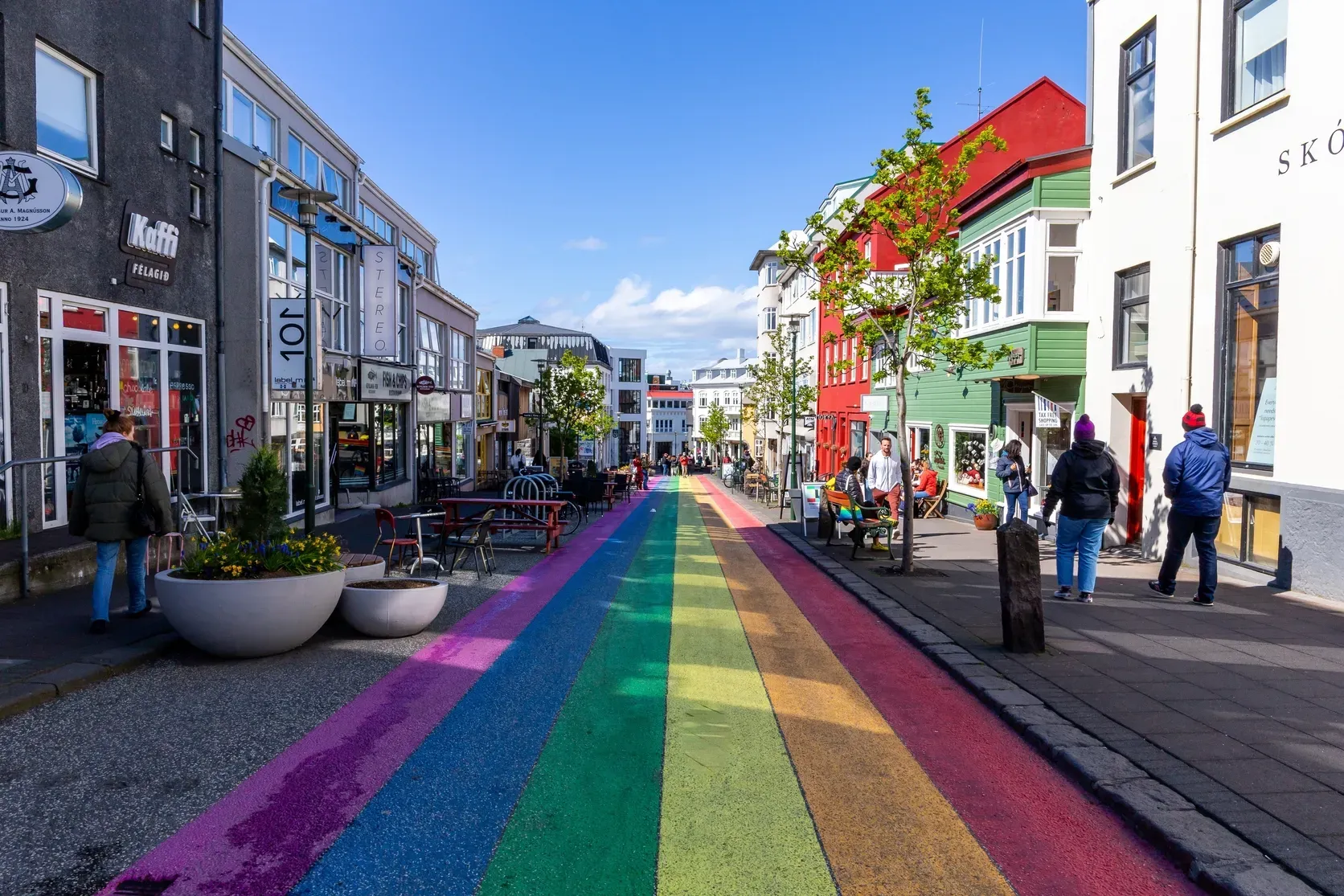
The Reykjavik, the northernmost capital in the world, gathers about half of the country’s population. Iceland’s capital and largest city is home to approximately 140,000 residents. Colorful houses, modern cafés, galleries, museums, and cozy little bars create a welcoming atmosphere, with everything within easy reach, making exploration on foot the ideal way to get to know the heart of Iceland.
Iceland was the last place on Earth to be settled by humans
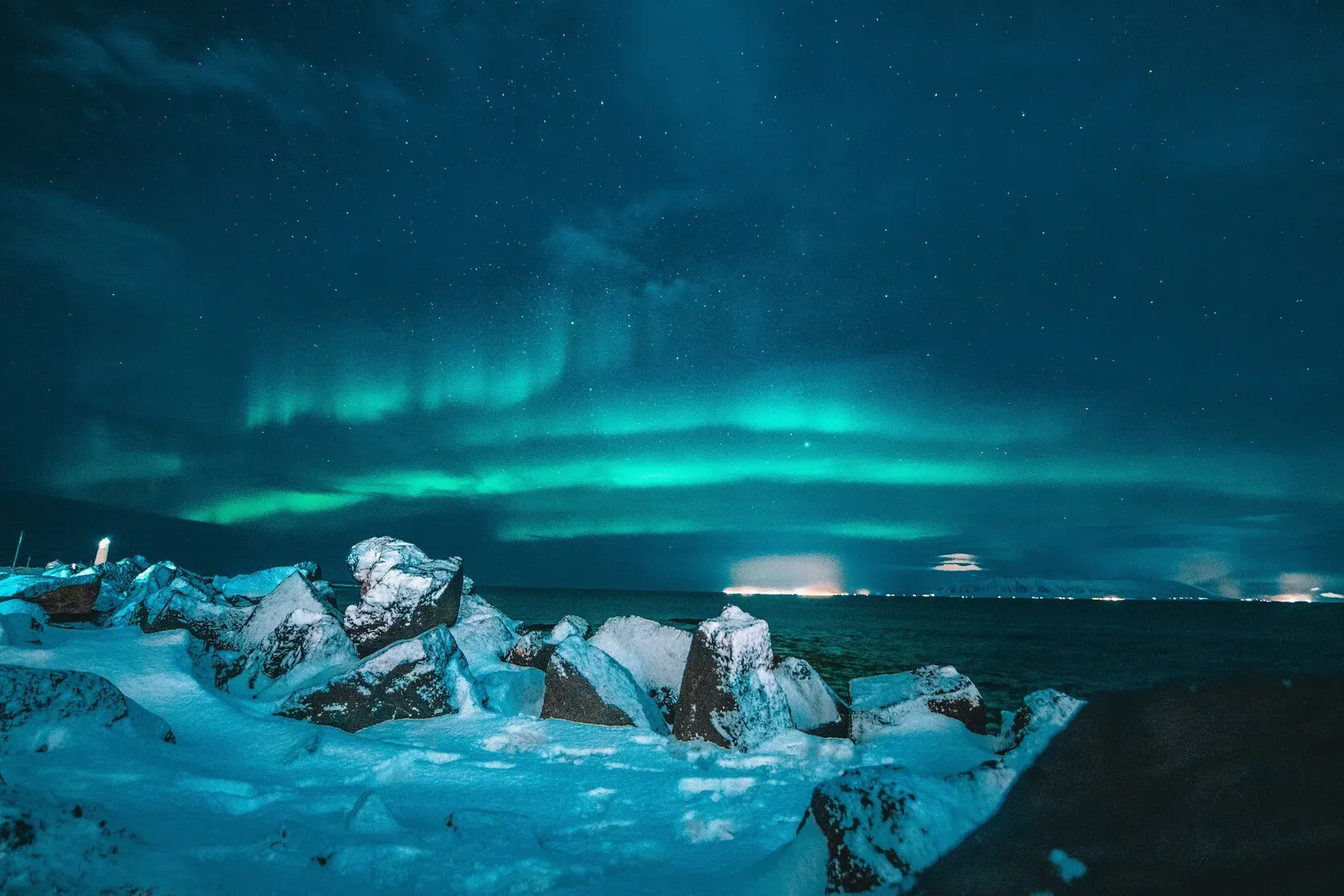
Around 1,100 years ago, Vikings from Norway are said to have discovered Iceland by chance. Until then, the island was uninhabited—a pristine land of ice, lava, and uncharted landscapes. The first settlers brought with them the language and traditions that Icelanders still follow today.
Many Icelanders believe in elves
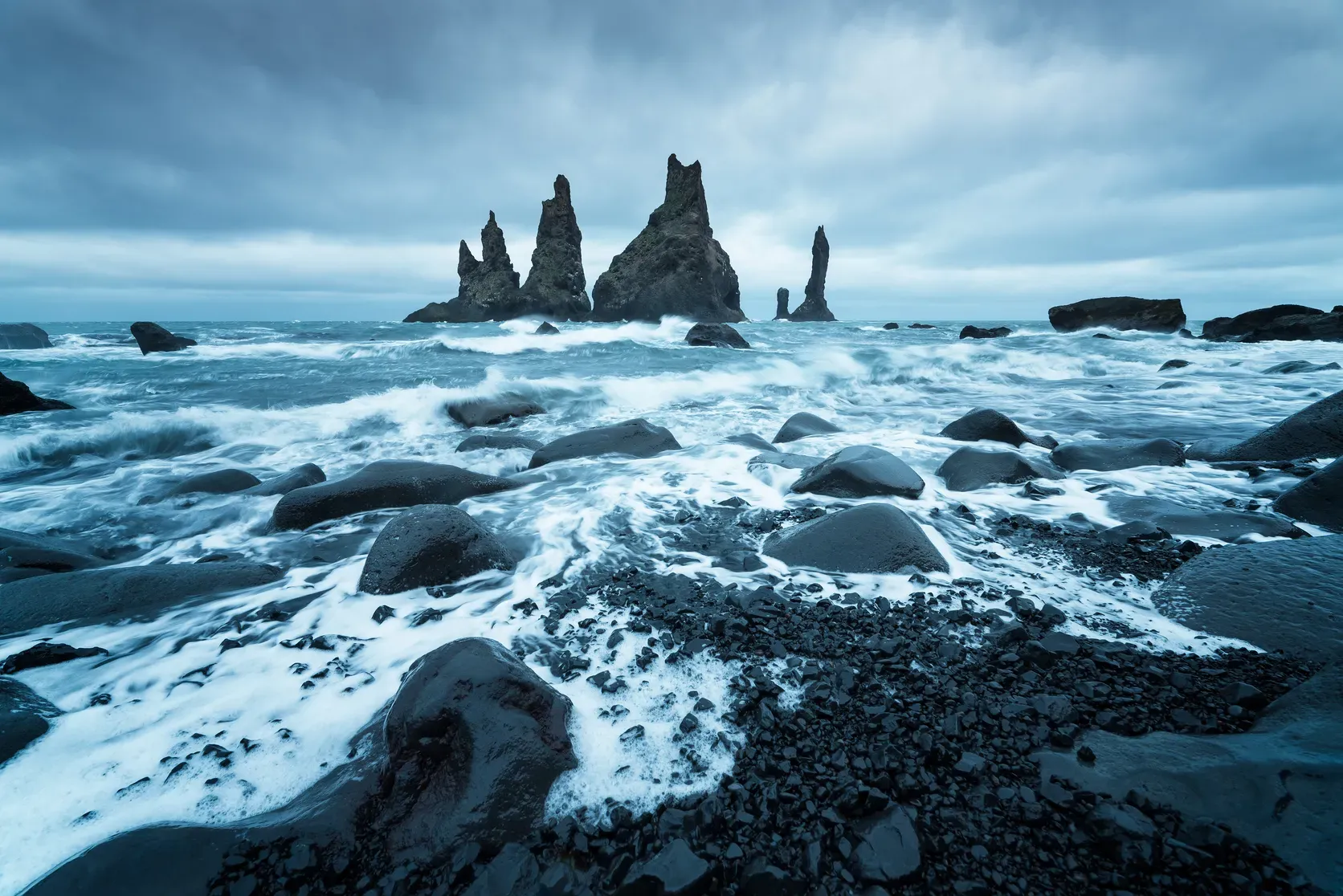
About 30–40% of Icelanders don’t rule out the existence of the Huldufólk, that is, the «hidden people». Tales of elves and trolls are woven into daily life and the country’s folklore. In some areas, authorities even go so far as to reroute a road so as not to disturb elf dwellings. The rock formations of Reynisdrangar, near Vík, are believed to be trolls turned to stone by sunlight.
It is one of the most eco-friendly countries in the world
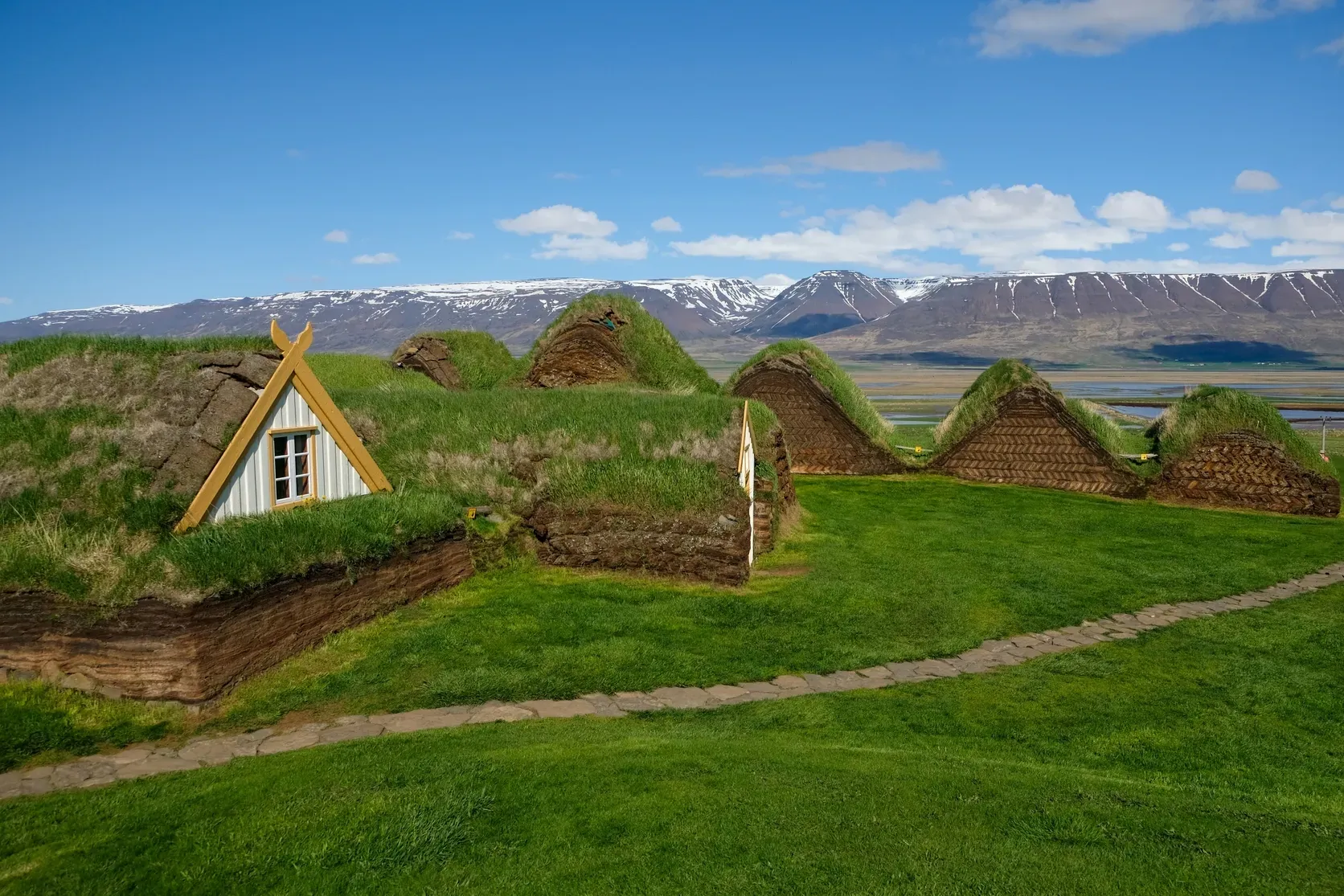
In Iceland, environmental awareness is a way of life. The country harnesses its geothermal and hydroelectric energy to the fullest. Almost 100% of its electricity comes from renewable sources, making it a global leader in sustainability. Reykjavik has set a goal to become carbon neutral by 2040, while homes across the country are heated with natural geothermal energy.
About 11% of Iceland is covered by glaciers
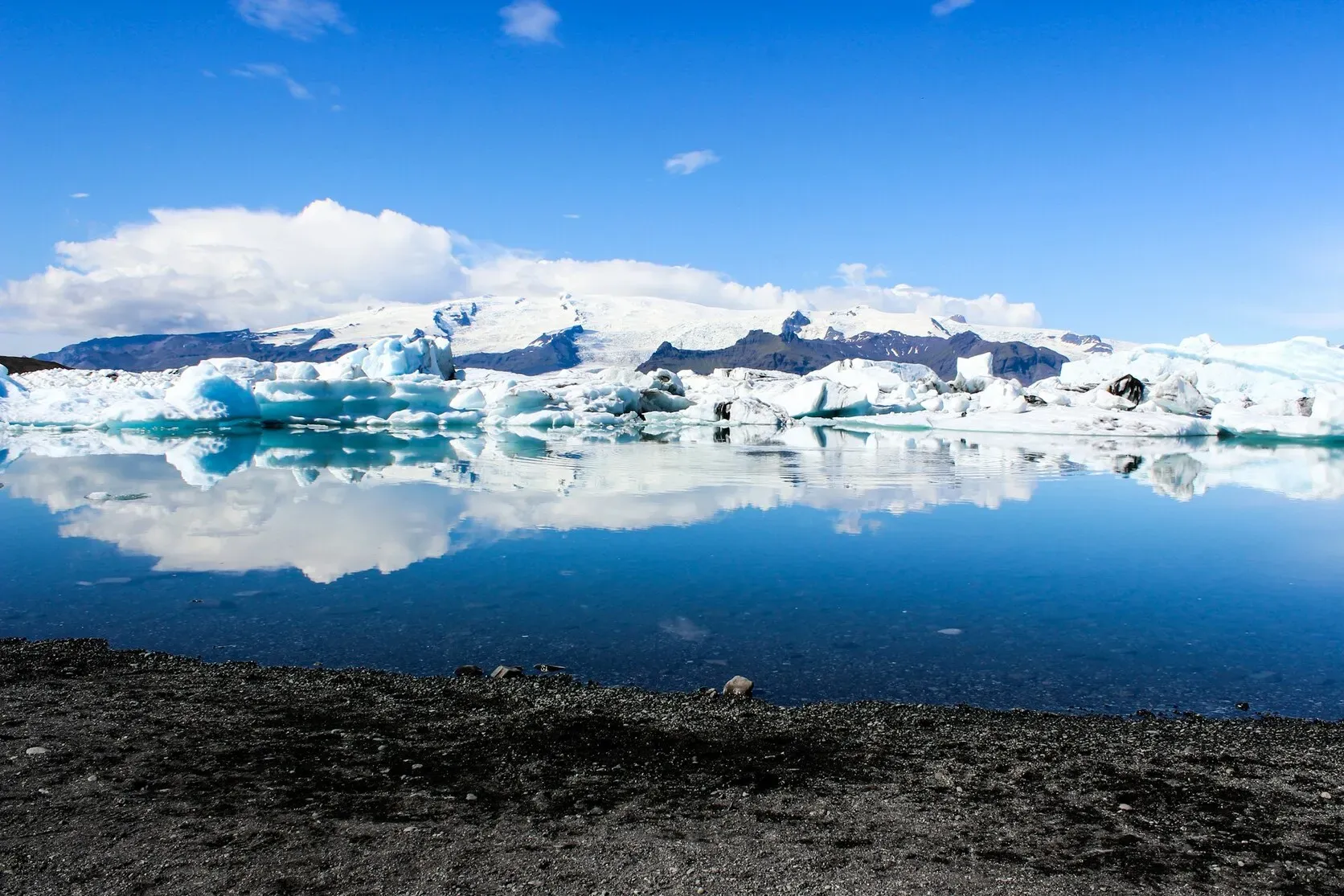
Glaciers are among the most striking and recognizable features of Iceland’s landscape. Studies show that about 11% of the country is covered by glaciers, with nearly 269 of them officially named. The largest of all is Vatnajökull, which covers about 8% of the country’s area and is considered Europe’s largest glacier. Its size is three times that of Luxembourg. Hiking on a glacier is one of the most thrilling experiences you can have in Iceland.
Beer was banned for 74 years
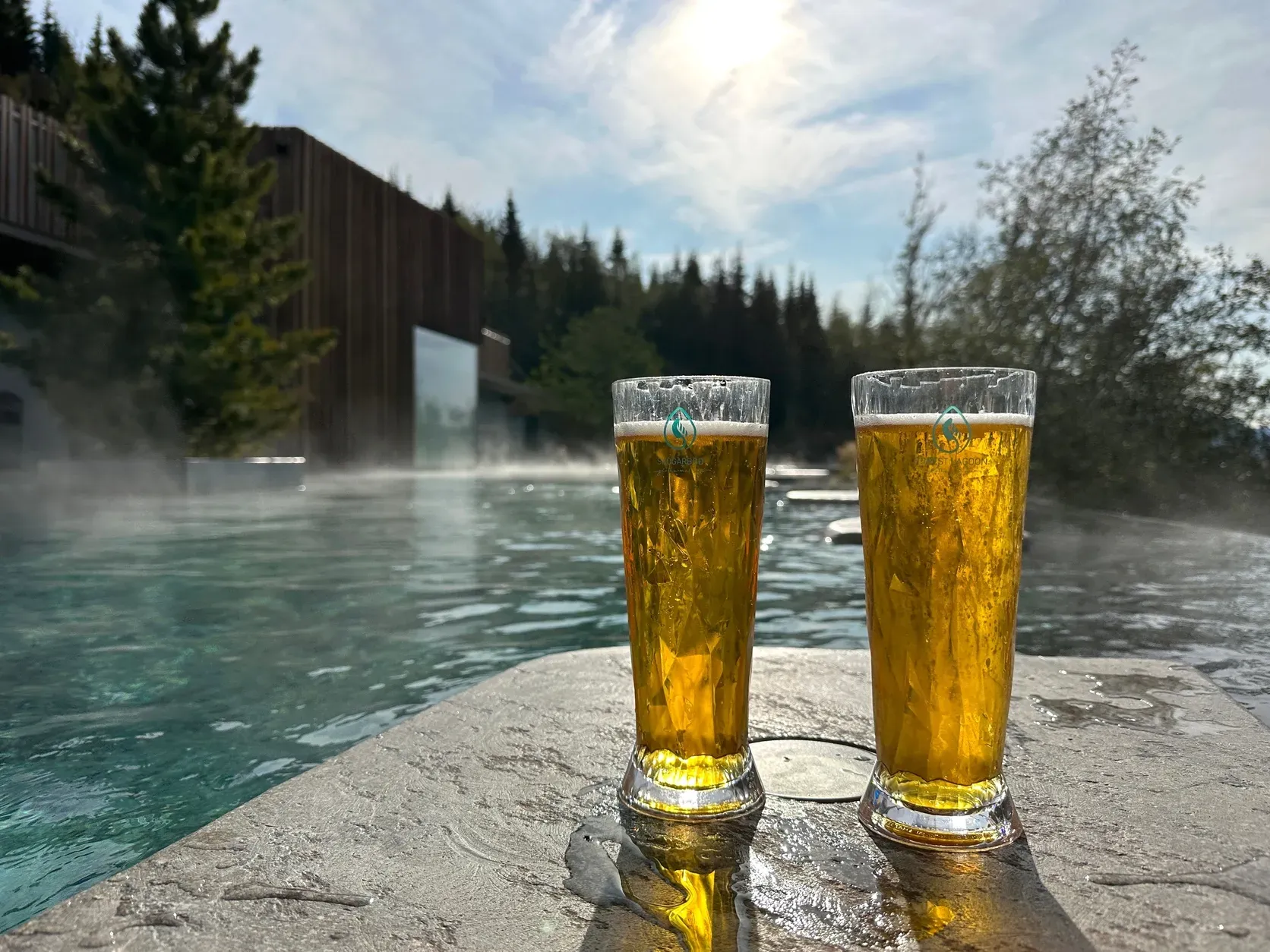
Incredible as it may sound, beer was banned in Iceland from 1915 to 1989. It was legalized again after a referendum, and since then brewing has flourished, with the country now boasting some of the most interesting microbreweries in Northern Europe. Today, March 1 is celebrated as «Beer Day» (Bjórdagurinn), with Reykjavik’s bars filling with locals and travelers toasting the end of prohibition.
Iceland is one of Europes oldest democracies
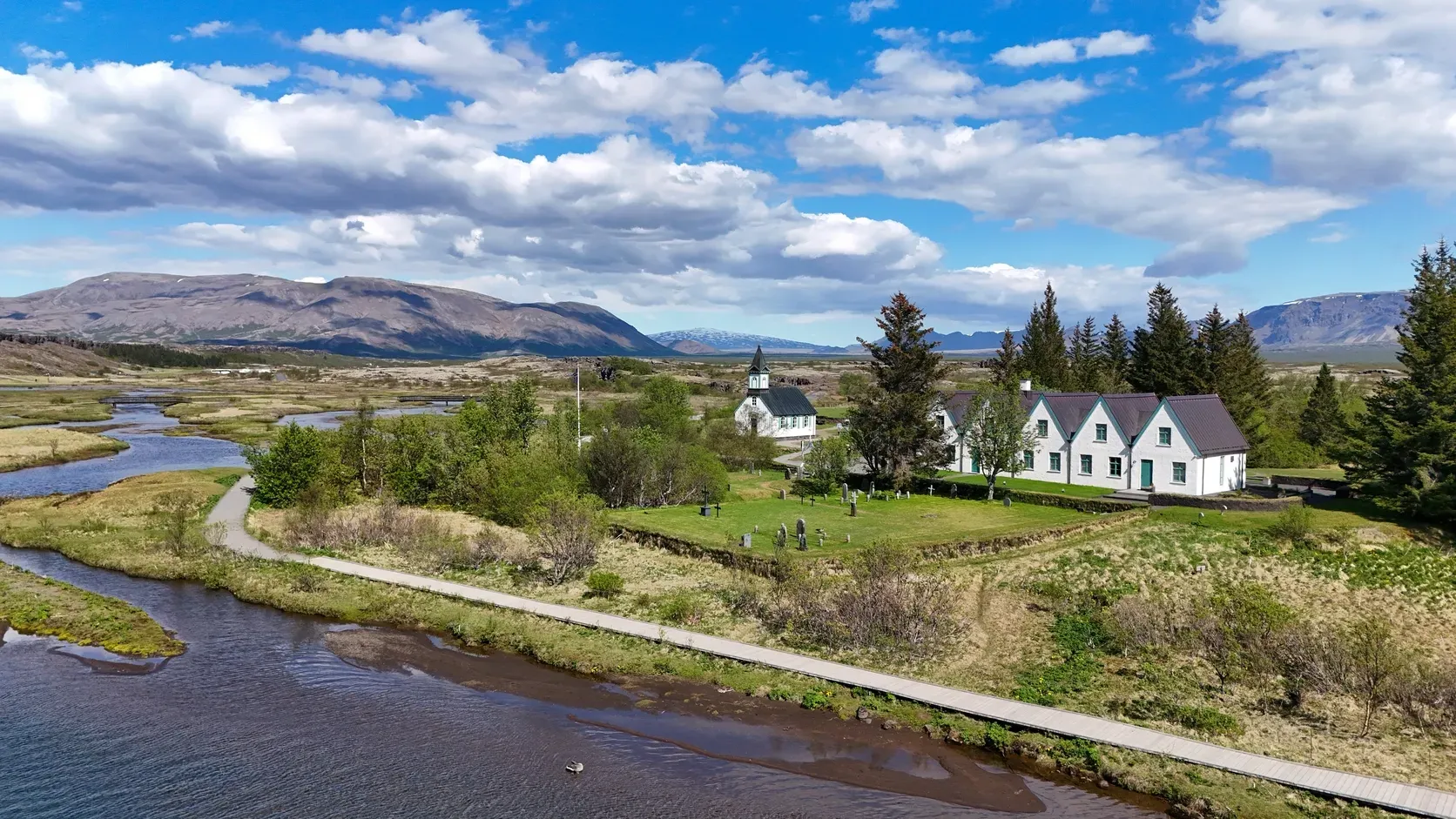
With its parliament founded in AD 930 at Þingvellir National Park (Thingvellir), Iceland is one of the oldest democracies in Europe. At the Alþingi, Iceland’s supreme national parliament, chieftains gathered to make decisions and enact laws. The site has not only historical but also geological significance, as it sits on the rift between the North American and Eurasian tectonic plates. Today it is a UNESCO World Heritage Site.
Its the country with 13 Santa Clauses
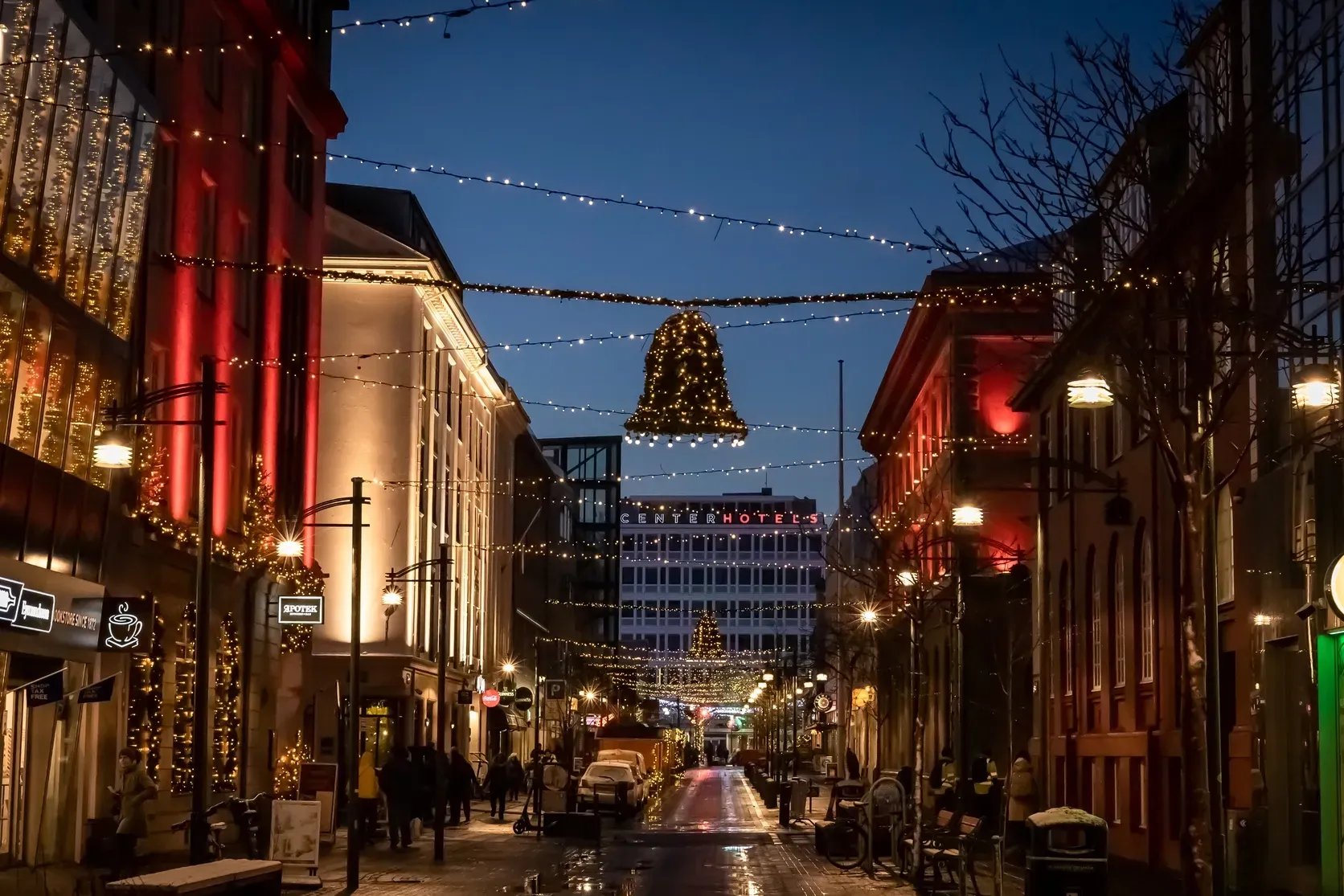
For Iceland, Christmas is a magical season, because there isn’t just one Santa Claus but thirteen! Thirteen days before Christmas, the 13 Yule Lads (the famous 13 elves) visit the country’s children. Each child places their shoe on the windowsill on each of the thirteen nights, and a different elf comes down and puts a gift inside—or potatoes if the child has been naughty. The elves have different names and personalities and resemble our own goblins.
Icelands national sport is handball
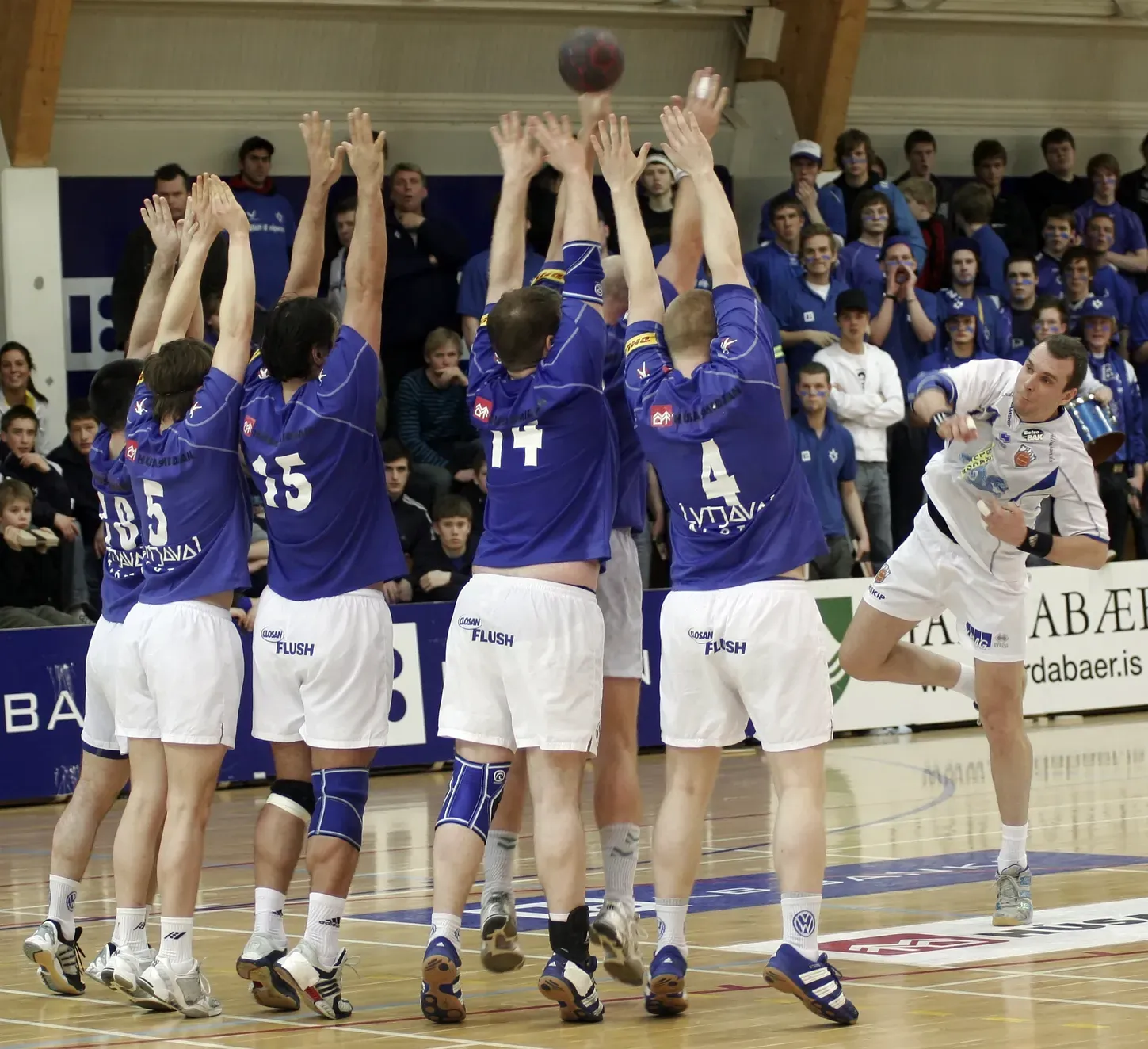
Although Icelanders are quite fond of football, their national sport is handball. The game has deep roots in local culture, and the country has achieved impressive international success. In 2008, Iceland’s national team won the silver medal at the Beijing Olympic Games, and its athletes are considered heroes.
The worlds first elected female president is Icelandic
Vigdís Finnbogadóttir was elected President of Iceland in 1980, making history as the first woman in the world to be democratically elected as head of state. She served for sixteen years, becoming one of the longest-serving female leaders in history. She inspired many women and strengthened Iceland’s standing as a country that champions equality and diversity, something that remains fundamental to its culture today.