




The stops worth making on a road trip across the fourth-largest island in the Mediterranean.
By Christos Melidis
Rugged and lush, Corsica remains one of the last bastions of authentic culture inland and, at the same time, a place of rampant tourist development along the coasts - mainly in the south. Like most parts of the Mediterranean, Corsica stood at a crossroads of civilizations: the Ancient Greeks first called it Kyrnos and later Kalliste, it was mostly a Genoese protectorate, and while the toughness of the local population, verging on barbarity, is described even by Strabo, the independent Corsica of the 18th century - for a few years - was the first country in the world with its own Constitution.
Corsica offers everything from ski resorts to some of the Mediterranean’s most beautiful and unspoiled beaches, but the climate differs notably from Greece in the spring months, as temperatures often hover around 15°C from late February through late April and it often rains. Thus, the best time to visit is autumn, when the weather is still warm and rains are rare, while tourists have already left the island, pulling prices down with them.
Having lived in Corsica for quite a few years now, I suggest the following clockwise itinerary to anyone interested in beginning to discover one of Europe’s most “seaside Alpine” places.
Bastia (Bastia)
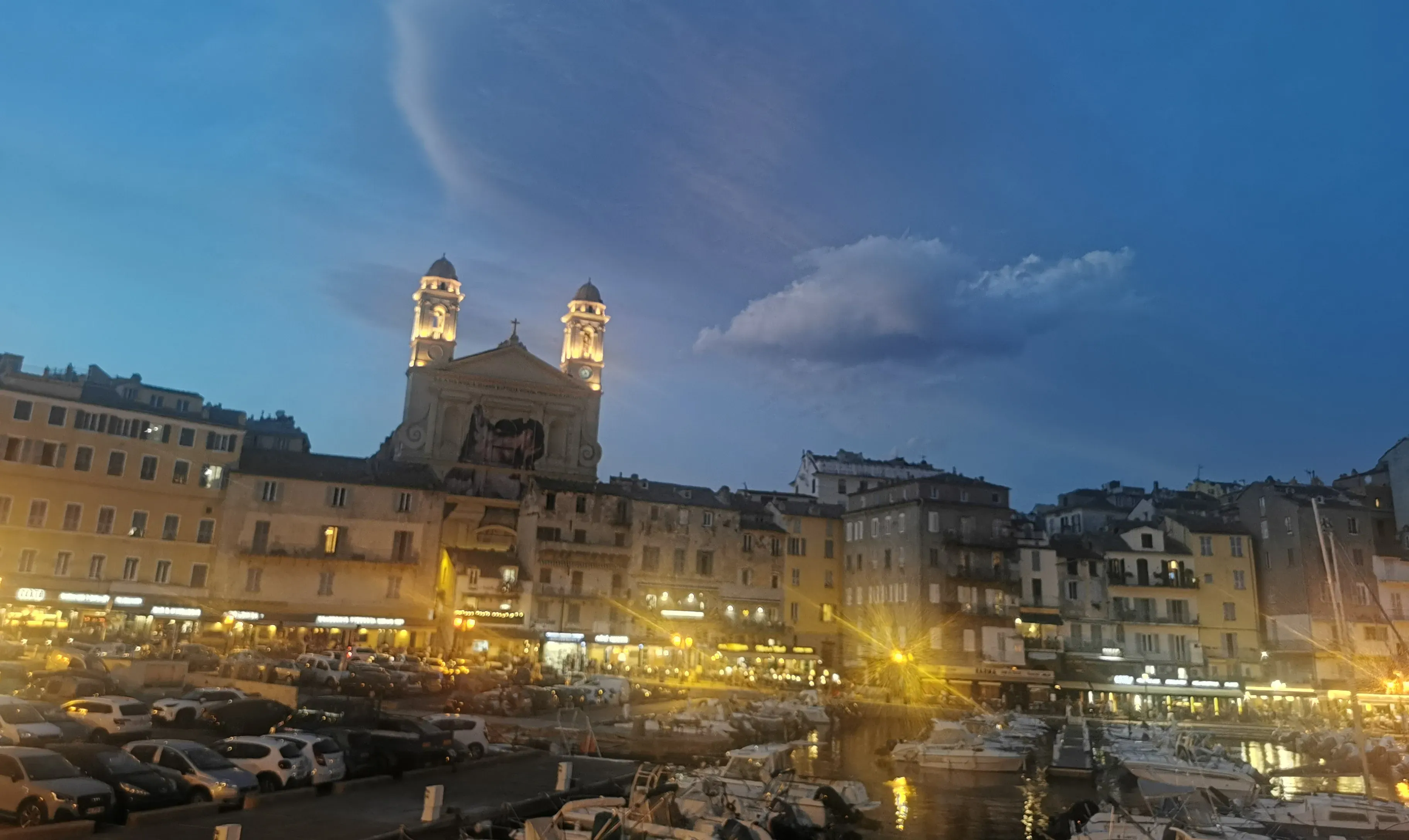
Bastia is the island’s second largest city (45,000 within the urban fabric and 120,000 in the wider metropolitan area) and the point through which more than 2,500,000 tourists enter Corsica annually. Bastia is a misunderstood city, as of the many tourists who pass through here, whether by air or by sea, fewer than 100,000 actually stay!
It boasts an interesting museum of medieval art and artifacts housed in a breathtaking building, a magical and fairly large citadel-town, a lovely and very picturesque old port, and imposing churches. At the same time, it is Corsica’s cultural capital, holding France’s highest record of annual theater performances per capita, and recently in the southern suburbs (Mariana) a new archaeological museum opened under the auspices of Albert II of Monaco!
East Coast
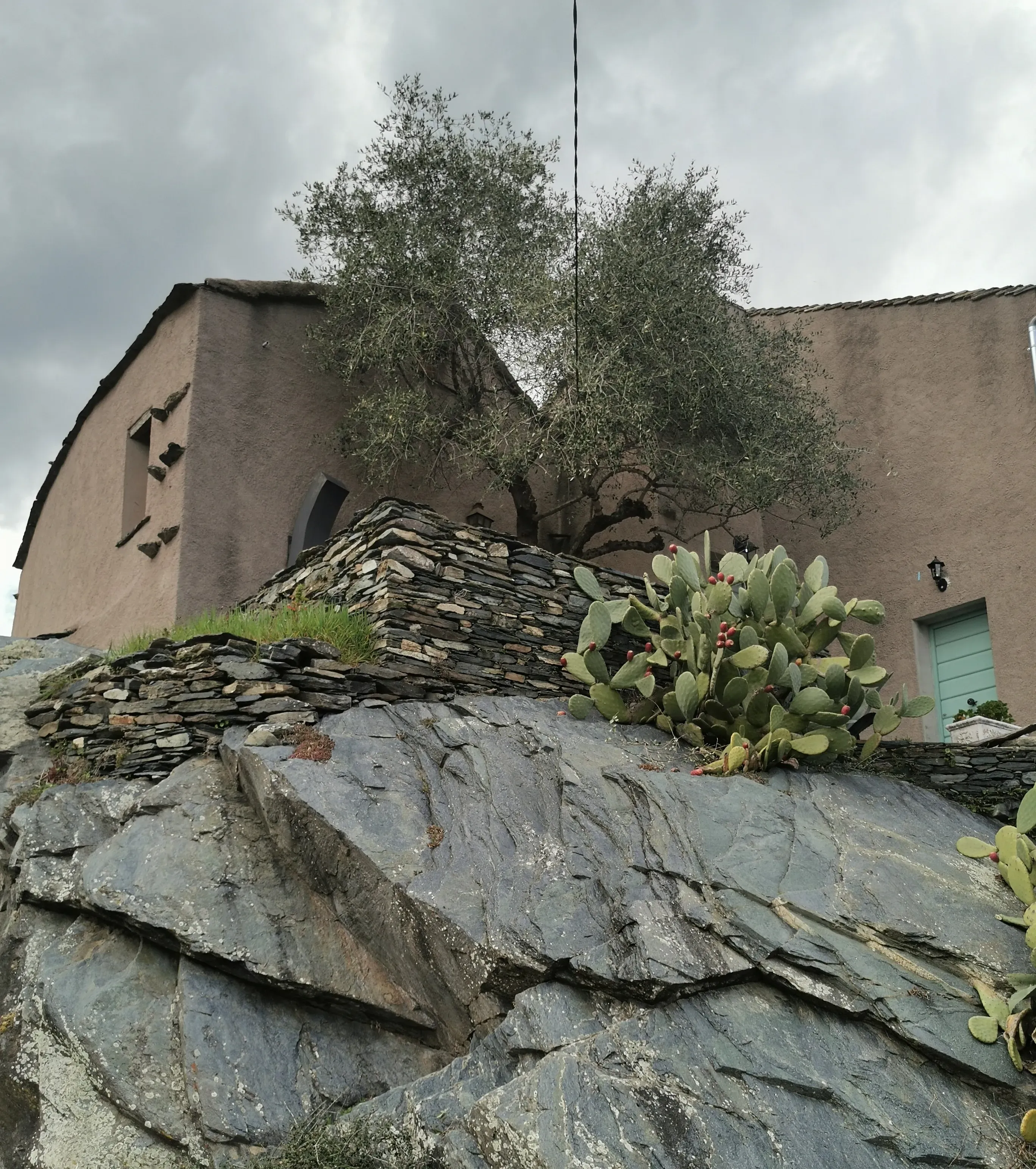
The road south is perhaps the only one that is comfortable and relatively easy, hence it lacks many sights. It would be a great omission not to make a ten-minute detour up the mountain to the village of Penta-Di-Casinca, a quintessential example of Corsican architecture, which is among the island’s loveliest places with views that take your breath away - on days when the weather allows you can see the Italian coast.
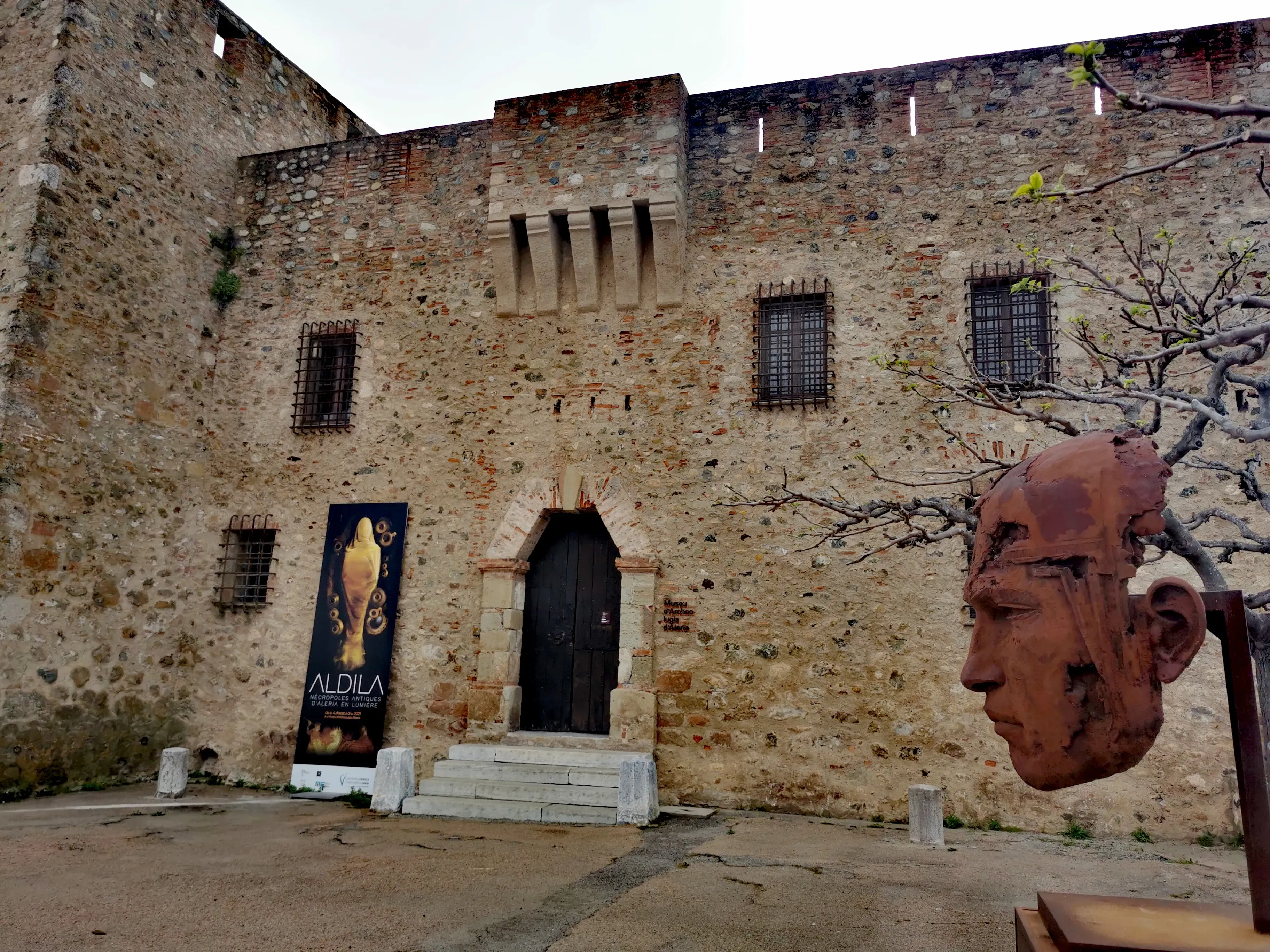
Then descend towards Aleria, the island’s former capital and now a wine-producing hub. There is a fine museum with Etruscan and ancient Greek vases, while the wineries offer a tour that is worth your while.
Porto-Vecchio (Porto-Vecchio) and Bonifacio (Bonifacio)
Porto-Vecchio is the island’s third largest city with about 12,000 inhabitants. It has a perhaps unique citadel-town of its kind because, while its architecture is distinctly Corsican, the new town unfolding below recalls counterpart cities of northern France (see Laon, Angers, etc.). At the same time, I regard it as Corsica’s gastronomic capital, gathering everything from open-air “fast food” with spit-roasted pork (!) to Michelin-starred restaurants.
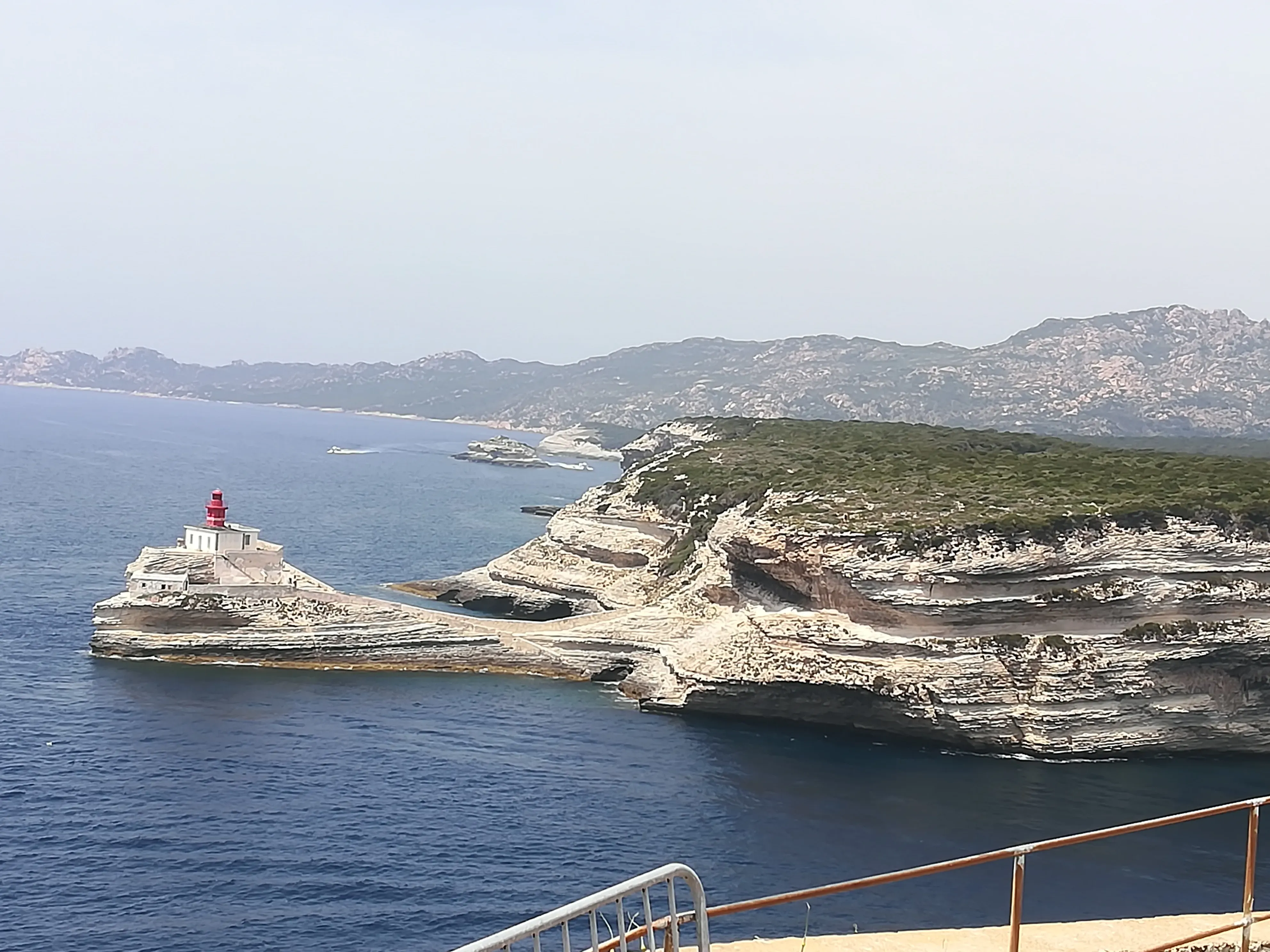
Bonifacio is simply breathtaking. The town is literally suspended above the sea, balancing atop limestone ridges. The maritime cemetery, a place of almost constant wind, offers a serenity bordering on the metaphysical, highlighting the locals’ uniqueness: among Corsicans, the people of Bonifacio were the only ones professionally tied to the sea, as the rest were mainly herders and farmers. Incidentally, it has a small but important port, as even in winter there are daily sailings to Sardinia.
Southwest Coast
The southwest coast, together with the northwest, is made up of small, hidden coves accessible only by dirt track. The largest town is Sartène with nearly 4,000 inhabitants. Sartène self-identifies as the most Corsican of Corsican towns and is widely known for its Easter customs, especially on Good Friday, which include, among other things, the procession of a 37-kilo cross carried by a chained resident wearing a cape, so as not to be recognized, throughout the town - a custom now beginning to spread across Corsica.
Ajaccio (Ajaccio)
Ajaccio is the island’s cosmopolitan capital, with tourists even in winter. It is a city growing at a brisk pace (today it has 60,000 people within the urban fabric and estimates speak of 100,000 in 15 years) and Bastia’s rival in everything - from football to culture. Ajaccio is perhaps the only city in Corsica with a true seaside “front” - you can walk by the sea, often seeing locals swimming even in the winter months.
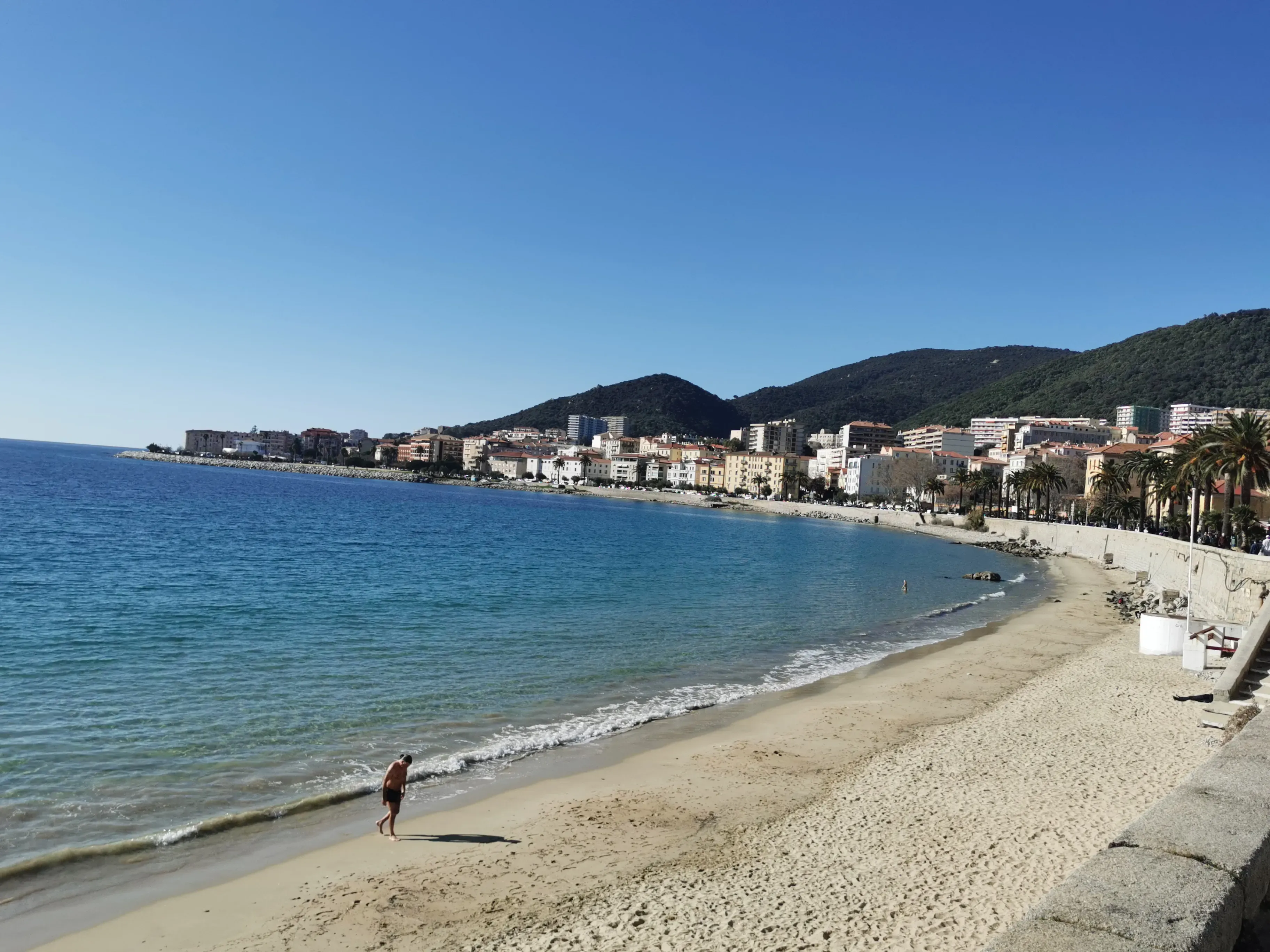
In Ajaccio, the Fesch Museum is a must, perhaps Corsica’s top attraction, along with the house where Napoleon was born and raised, his arch/statue, and a stroll through the old town - which, however, is very small. These are all very easy to do on foot, although the tourist train that follows exactly the same route has its charm!
What you can’t do on foot, but is definitely worth it, is a visit to the zoo with giant tortoises and related reptiles. Also, if you like shopping, something for which Corsica is not famed, Ajaccio is the place to be, as it has two or three shopping streets, as well as two malls.
Northwest Coast
One hour after Ajaccio, and after first passing two or three of the area’s most touristic fishing villages, we reach the Greek village of Cargèse. In Cargèse, to escape the Turkish yoke and also a vendetta of the time, some 600 people from Oitylo in Mani arrived in 1676, most bearing the surname “Stefanopoulos”. The village has a Greek Catholic church with Orthodox iconography - directly opposite the Corsican one, don’t get confused! It’s a sight that merits a visit, as it is the only church the writer has ever seen that depicts (also) Lucifer in the fresco on the entrance wall.
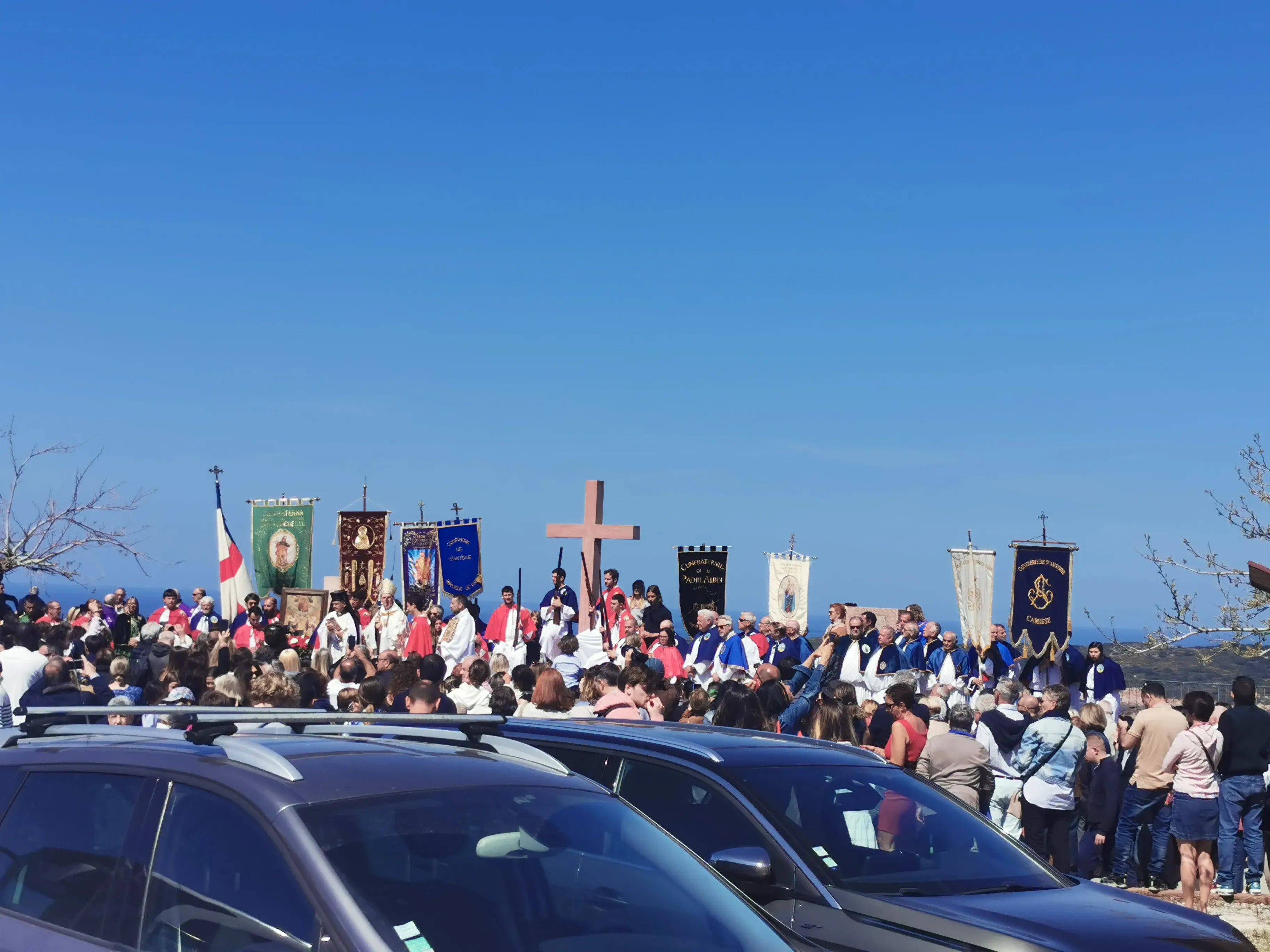
Easter in Cargèse is a unique experience, especially on Holy Saturday night when customs of another era are revived and the faithful chant “Christos Anesti” in a different Byzantine mode than usual, and on the morning of Easter Monday, when a procession takes place through the village and over a thousand celebratory gunshots are fired from shotguns with the “blessings” of the police. Half the village’s streets have Greek names and the presence of Greek flags is not an uncommon sight.
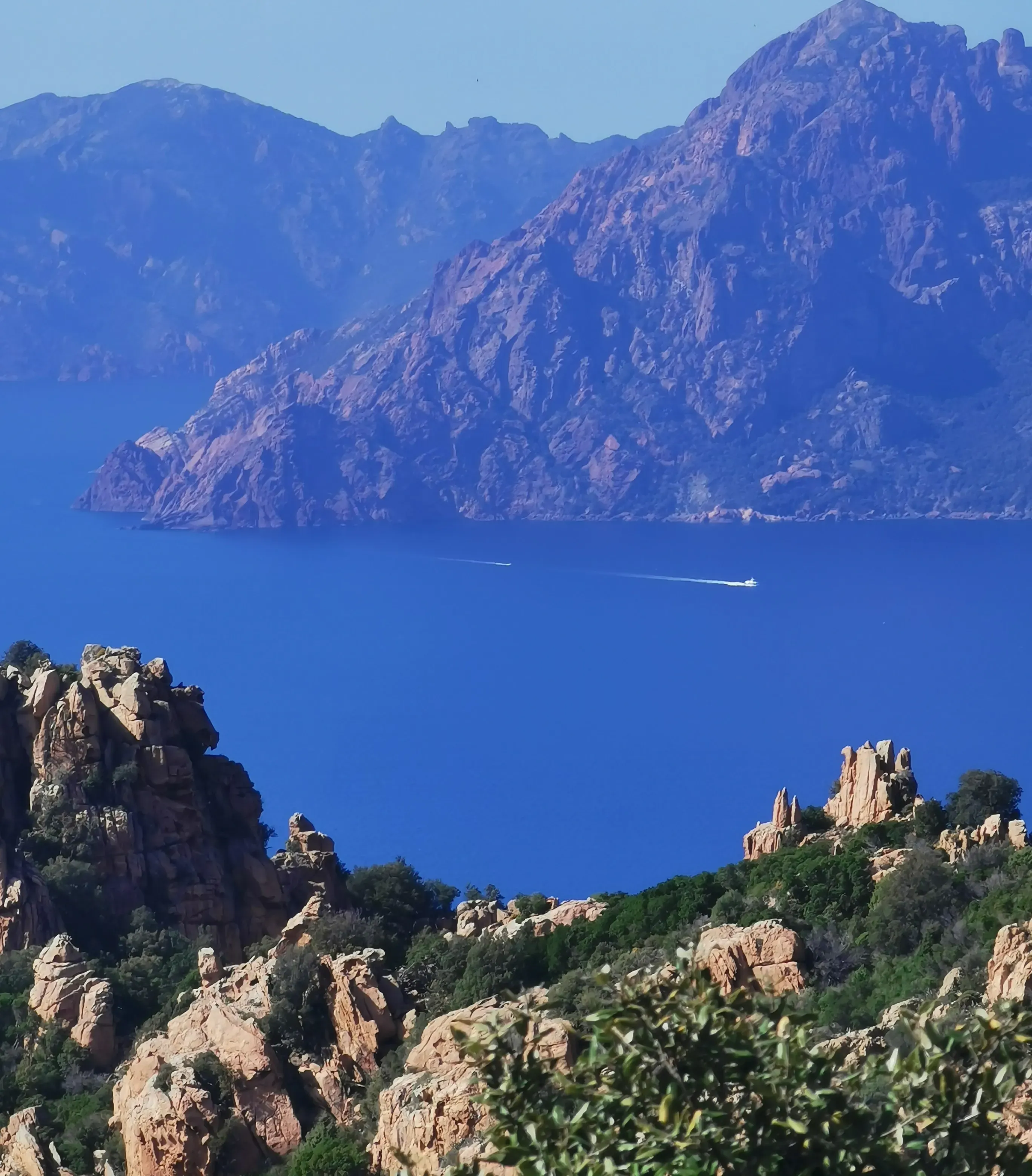
Continuing north, we reach the second most beautiful area of coastal Corsica (the first is Cap Corse north of Bastia – see below), none other than the famed red rocks of Piana. This natural monument, with the roads around it strongly recalling Evrytania and the road to Proussos, is considered the most photographed spot on the island and is well worth it, as long as you don’t meet a bus coming the other way...
Calvi (Calvi) and Île Rousse (Île Rousse)
Calvi and Île Rousse (red island) are extremely touristic towns with a total of 1,000,000 tourists annually! Calvi has a magical, large citadel-town, while the church and statue of Notre-Dame de la Serra dominate the town, with numerous devotions. A tour around the town by little train is also worthwhile, as it winds up and down the castle’s serpentine lanes in such a way that no one remains unmoved.
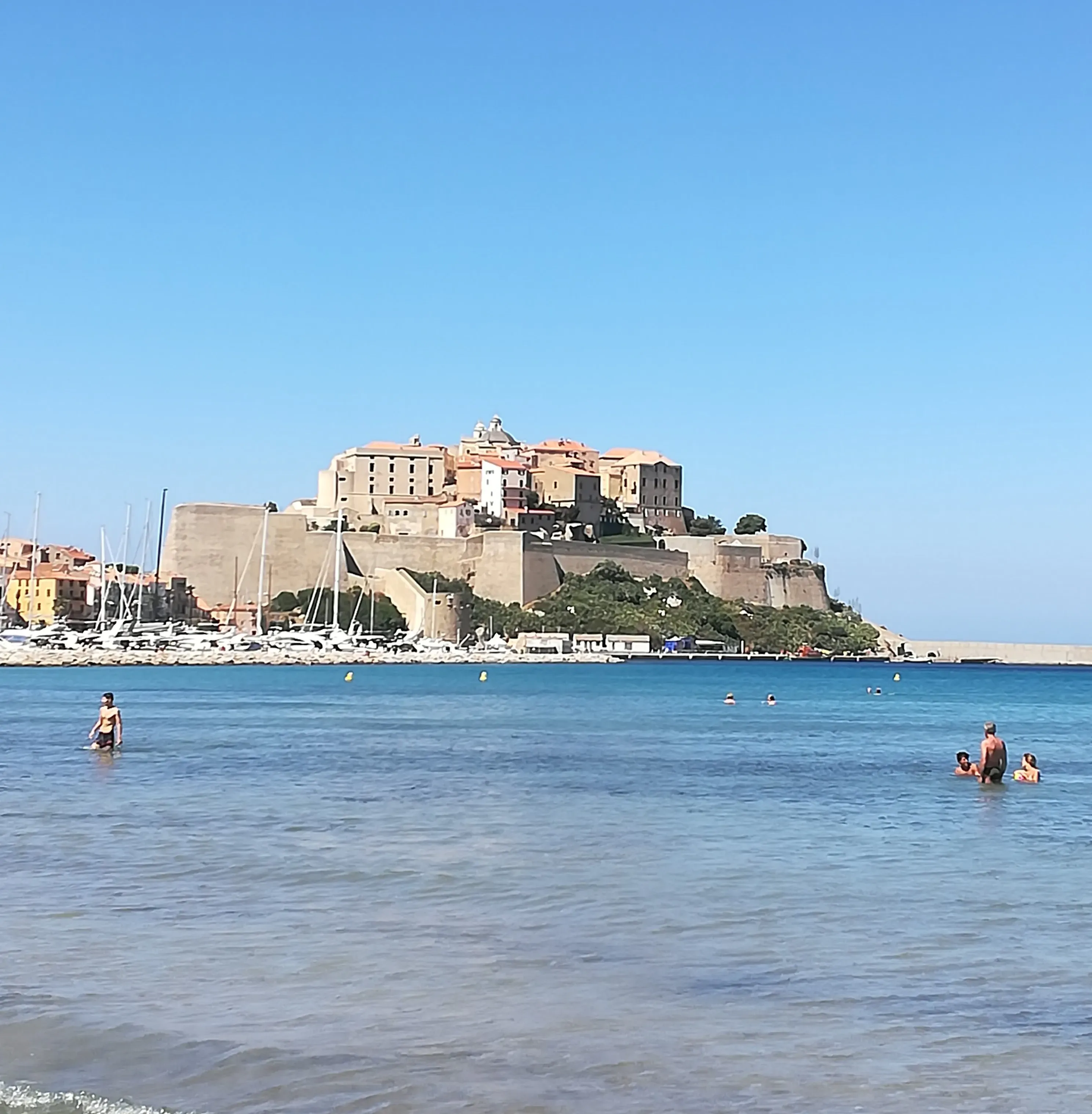
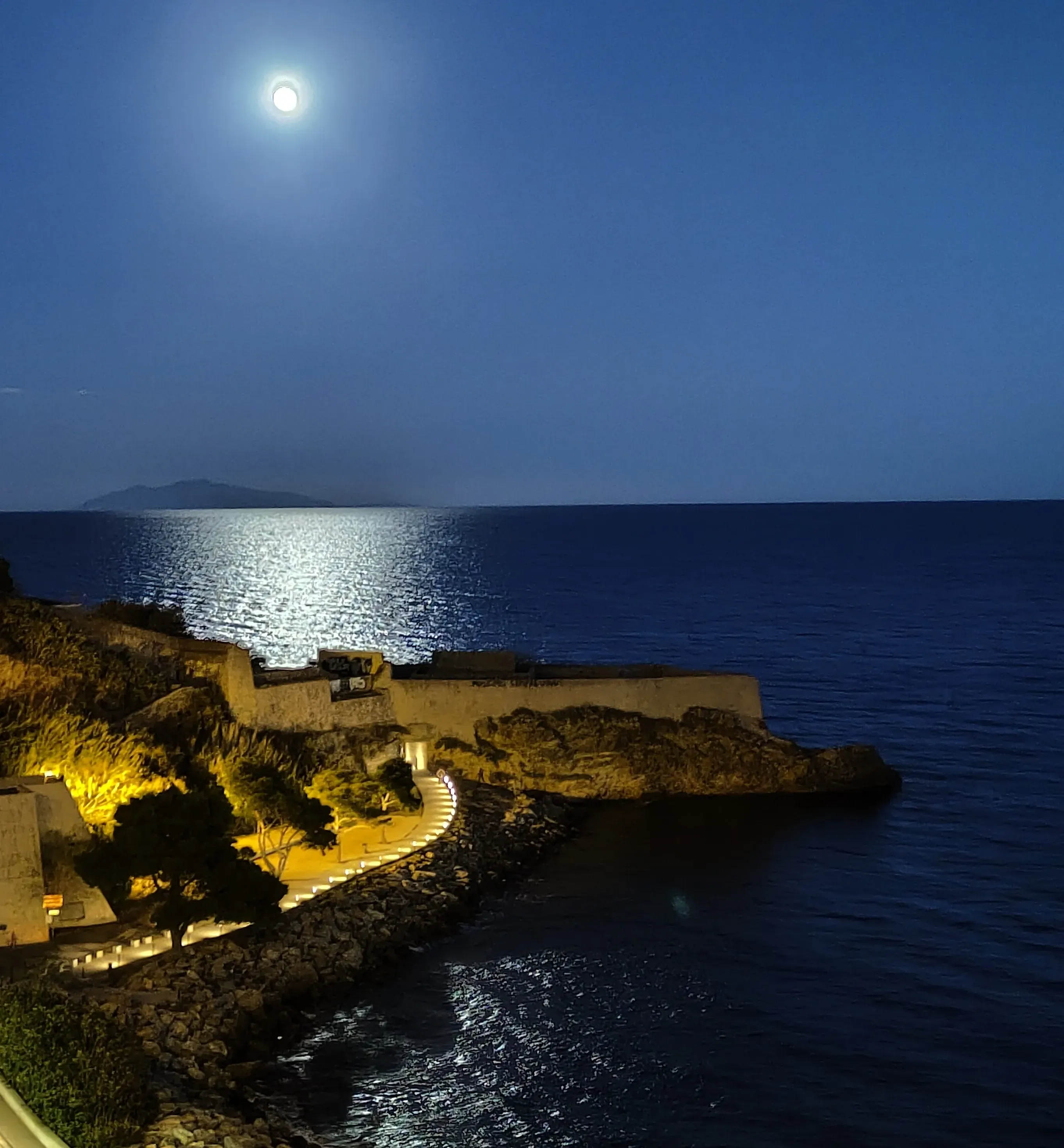
On the road to Île Rousse lies Algajola, a village with a citadel and, in contrast to almost all Corsican beaches, deep water, while Île Rousse itself has a very interesting small covered market with local products and, after the port, ends in an unusual peninsula that turns bright red when the sun sets, which recently acquired a pedestrian path - and with lighting at night - that reaches all the way to the lighthouse at the tip.
Cap Corse (Cap Corse)
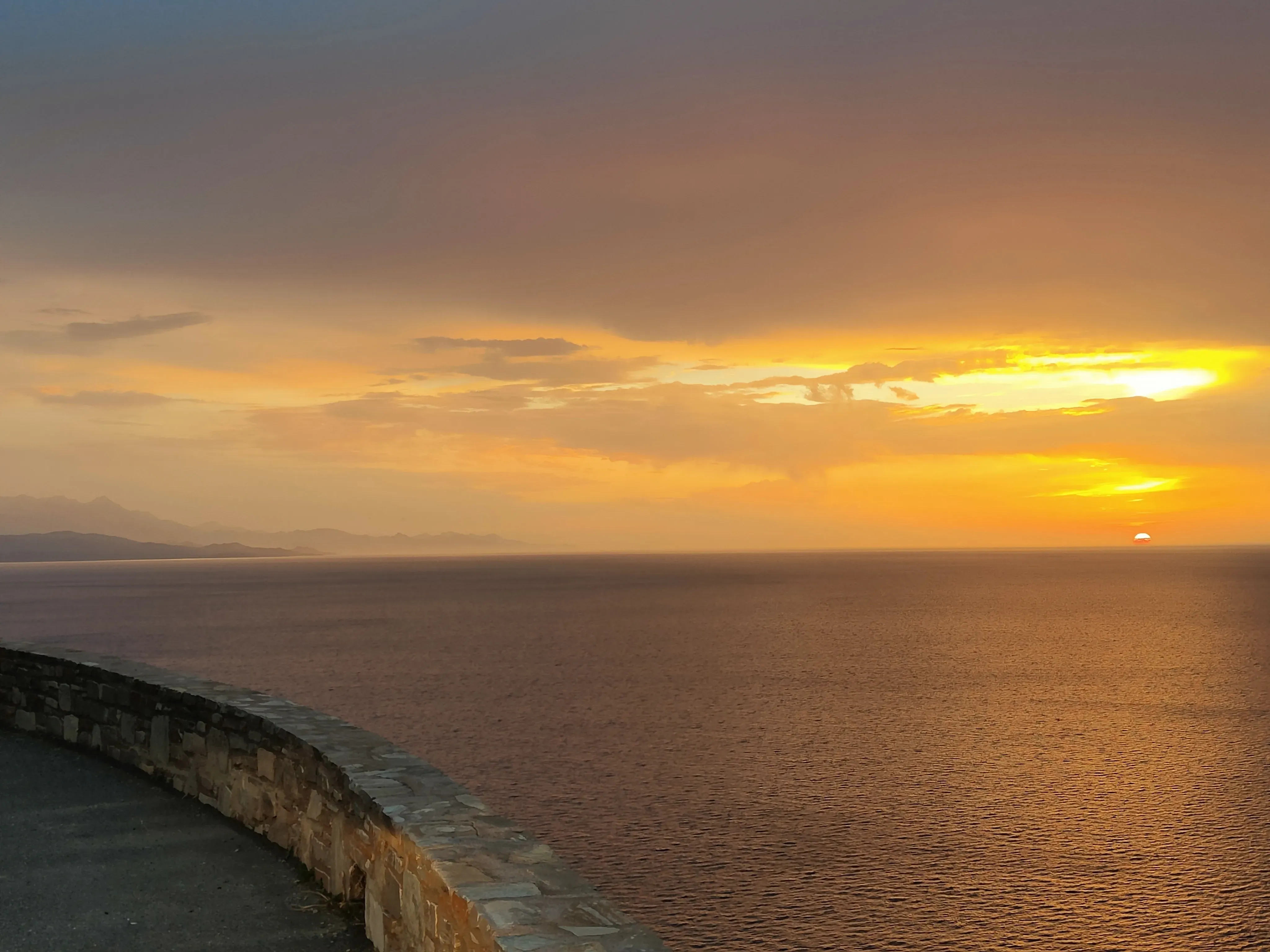
It is a once-in-a-lifetime experience. Cap Corse is Corsica’s northernmost - and largest - headland, where Bastia is considered its eastern base and Saint Florent its western one. It’s best to do Cap Corse counterclockwise, that is, start from Bastia in the morning and reach the west coast and Saint Florent in the afternoon, so the sun is always on the sea side.
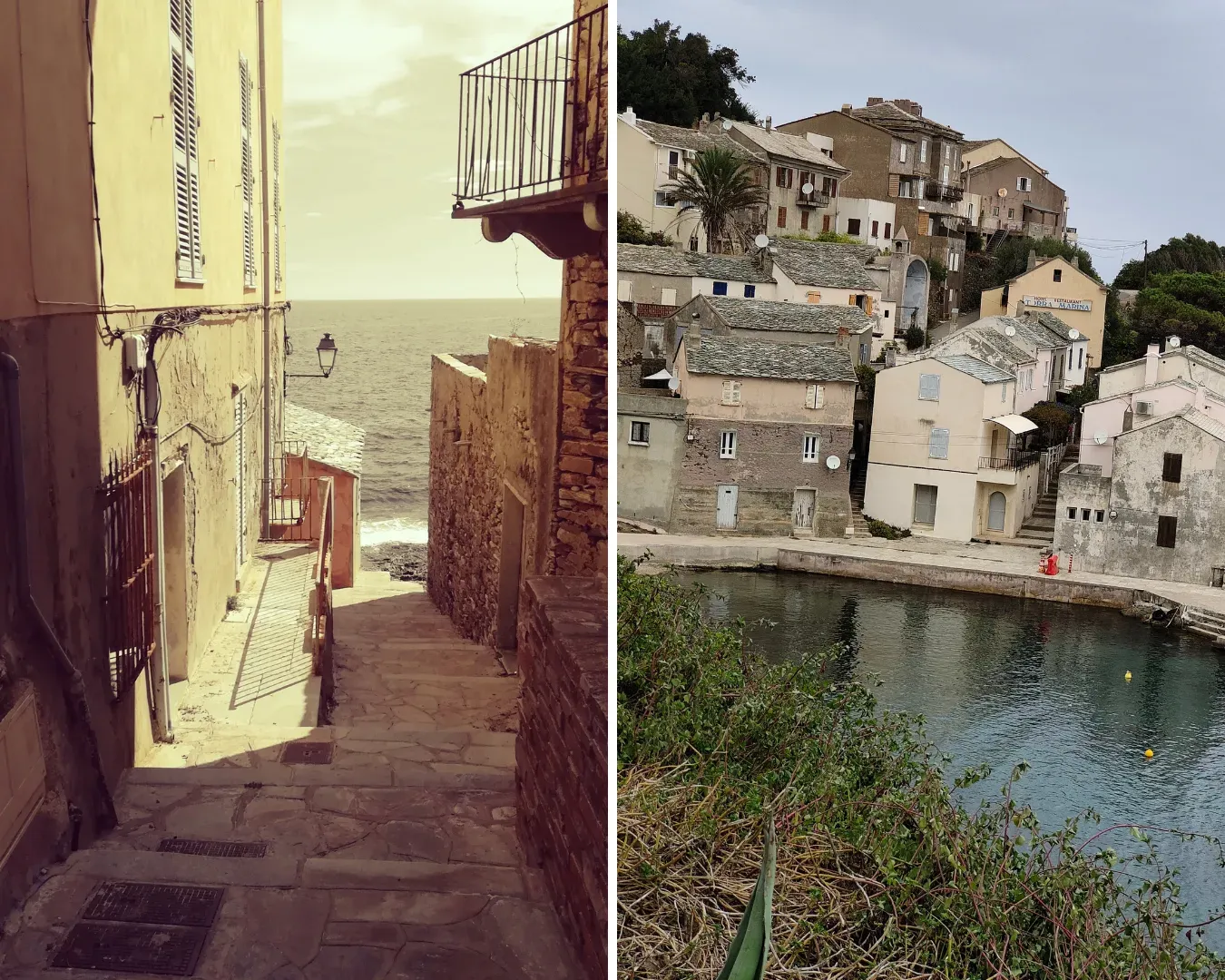
Essential stops on the east side are Erbalunga, by far the most beautiful seaside village in Corsica, Porticciolo, and Macinaggio. Between the east and west coasts it’s worth stopping at the Mattei windmill, a place of constant wind.
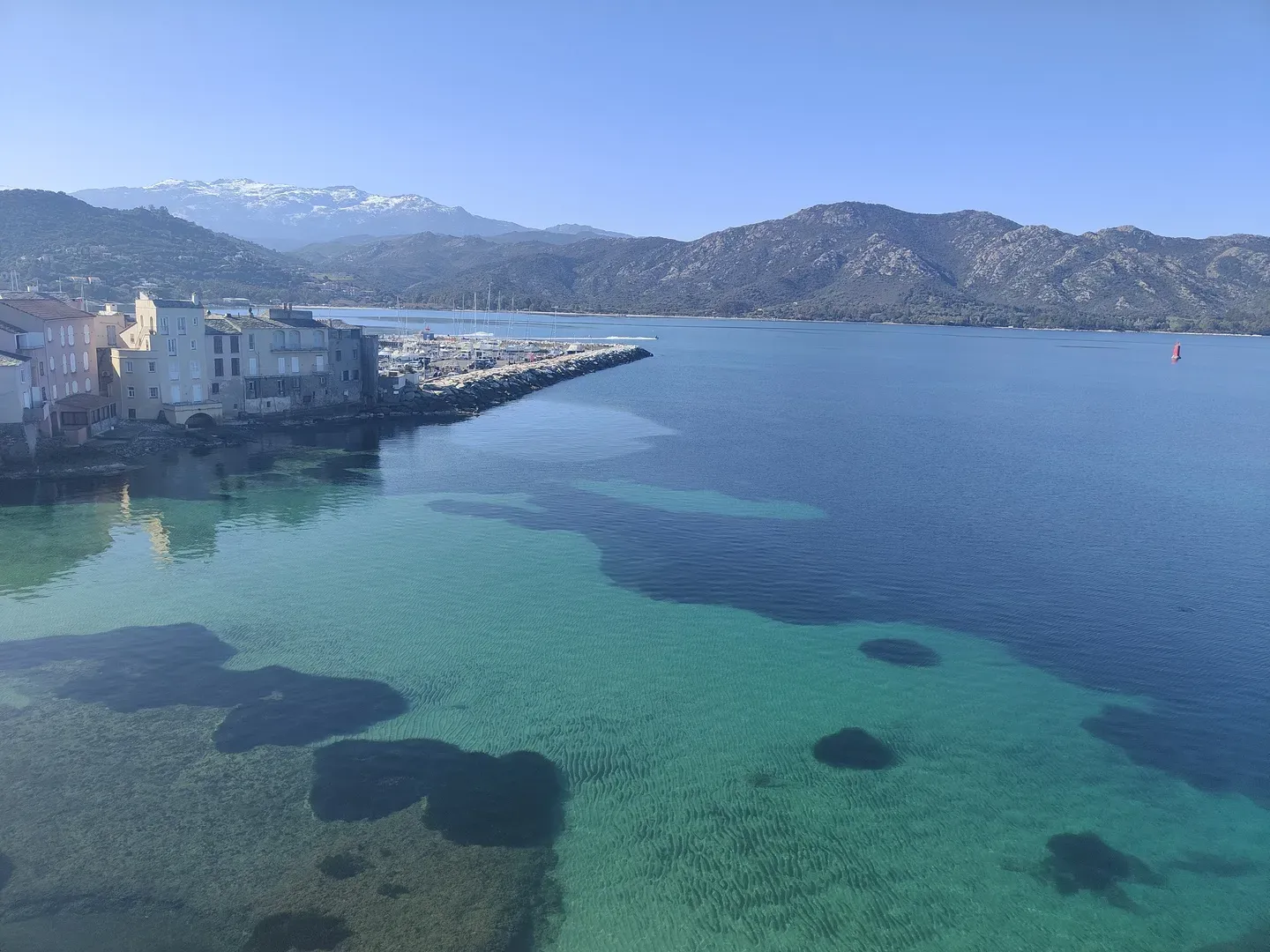
On the west coast it’s good to stop at Centuri, at Nonza, which is the most beautiful village with a view in Corsica and has a church of great importance (Santa Giulia is considered Corsica’s patron saint), at Marina-Di-Negro, a place of unique and wild beauty at beach level, and at Saint Florent, which, though touristy, remains beautiful and with a significant museum.
Inland
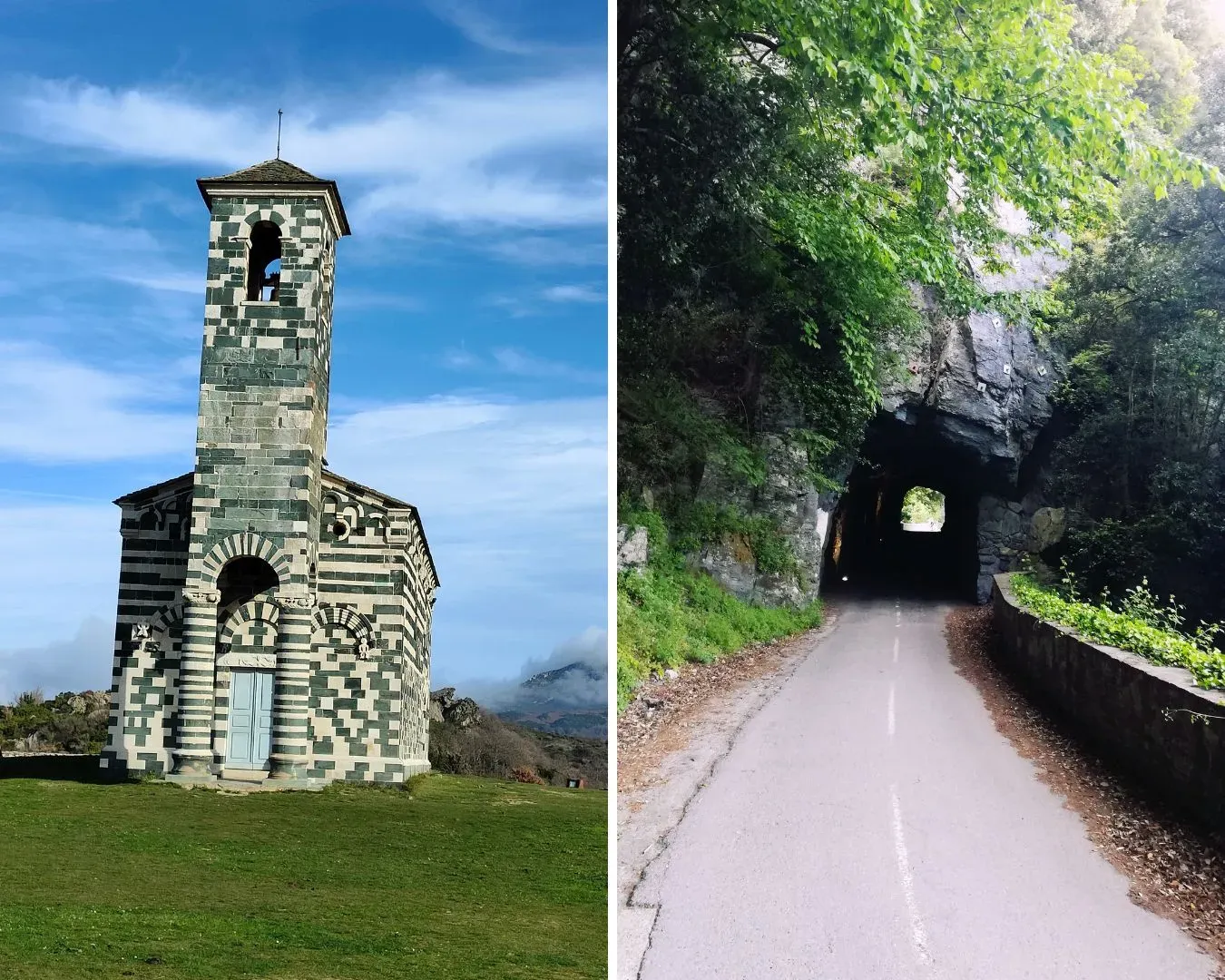
The island’s interior is a completely different world, a world filled with greenery, running waters and roadside waterfalls, alpine lakes, wild boar and cows that roam free, and beauty pure and unsullied. The only large inland town is Corte, an extremely mountainous and precipitous place where the University of Corsica is based. But the interior is much more than that - it’s the little villages that have never seen a stranger, it’s the snows and the kitchen gardens, it’s the wish not to fall ill, since the nearest doctor is 2 hours away along roads barely wide enough for a single car…
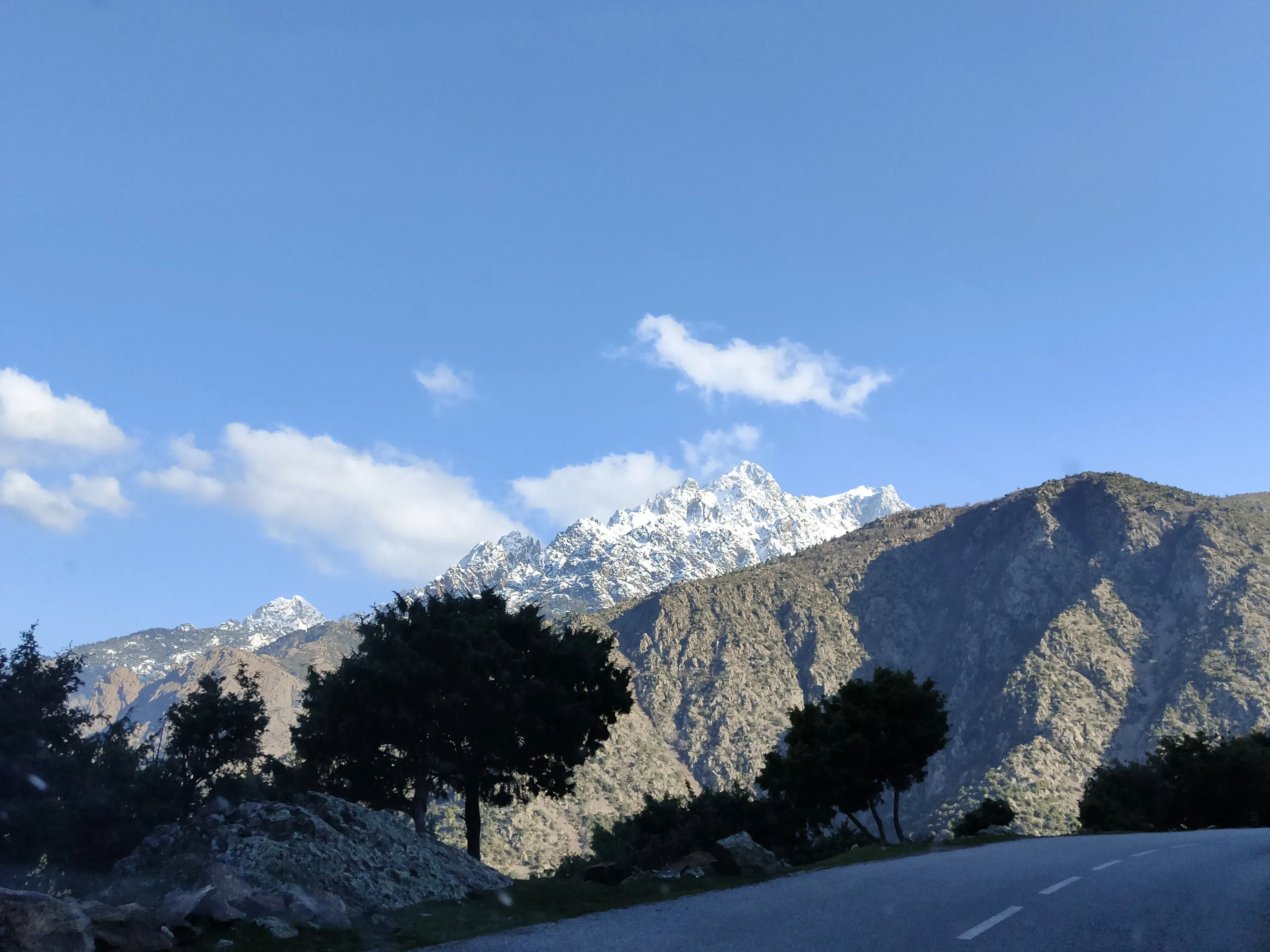
By way of an epilogue, Corsica is likely one of the most beautiful places in Europe. But it is hard to reach, moody, and a troublemaker. Because, as the locals say, Corsica has often been conquered, but never subdued!
* Christos Melidis was born and raised in Thessaloniki and after 8 years in Brussels has been living permanently for 7 years now in Bastia, Corsica.