





Lush greenery, traditional villages and wonderful beaches. The journey in Northern Corfu is filled with sights and moments that will stay with us forever.
No trip to Corfu is complete without a tour of the northern part of the island. From the caves and imposing cliffs of Paleokastritsa in the northwest and the age-old villages of Mount Pantokrator to the pebbled beaches and little harbors hidden among cypress and olive trees on the northeast coast, every route in Northern Corfu promises a unique experience for the visitor.
Exploring Northern Corfu
Starting with a visit to the famous Paleokastritsa, located in the island’s northwest (25 km from Corfu Town), the best thing you can do is definitely take a dip in the turquoise, refreshing waters of its enchanting coves. Then, a stroll to the hill-perched Monastery of Paleokastritsa with its wonderful sea view is a must, as well as a visit to the picturesque village of Lakones, above Paleokastritsa. The village hasmany old houses and narrow lanes, and it owes its fame to the exceptional view it offers over the area’s coves. Close to Lakones, you can also see the famed Angelokastro, the ruined Byzantine fortress on the craggy summit of a hill.

Agios Georgios Pagon is a large beach in the northwest, in the bay of the same name, with crystal-clear, cool waters. The afternoon maistros makes it especially popular with windsurfing enthusiasts. Another beautiful village on this side is Afionas with its colorful houses and cobbled lanes. Below the village, about a 20-minute hike away, is the gorgeous Porto Timoni, two beaches separated by a narrow strip of land.
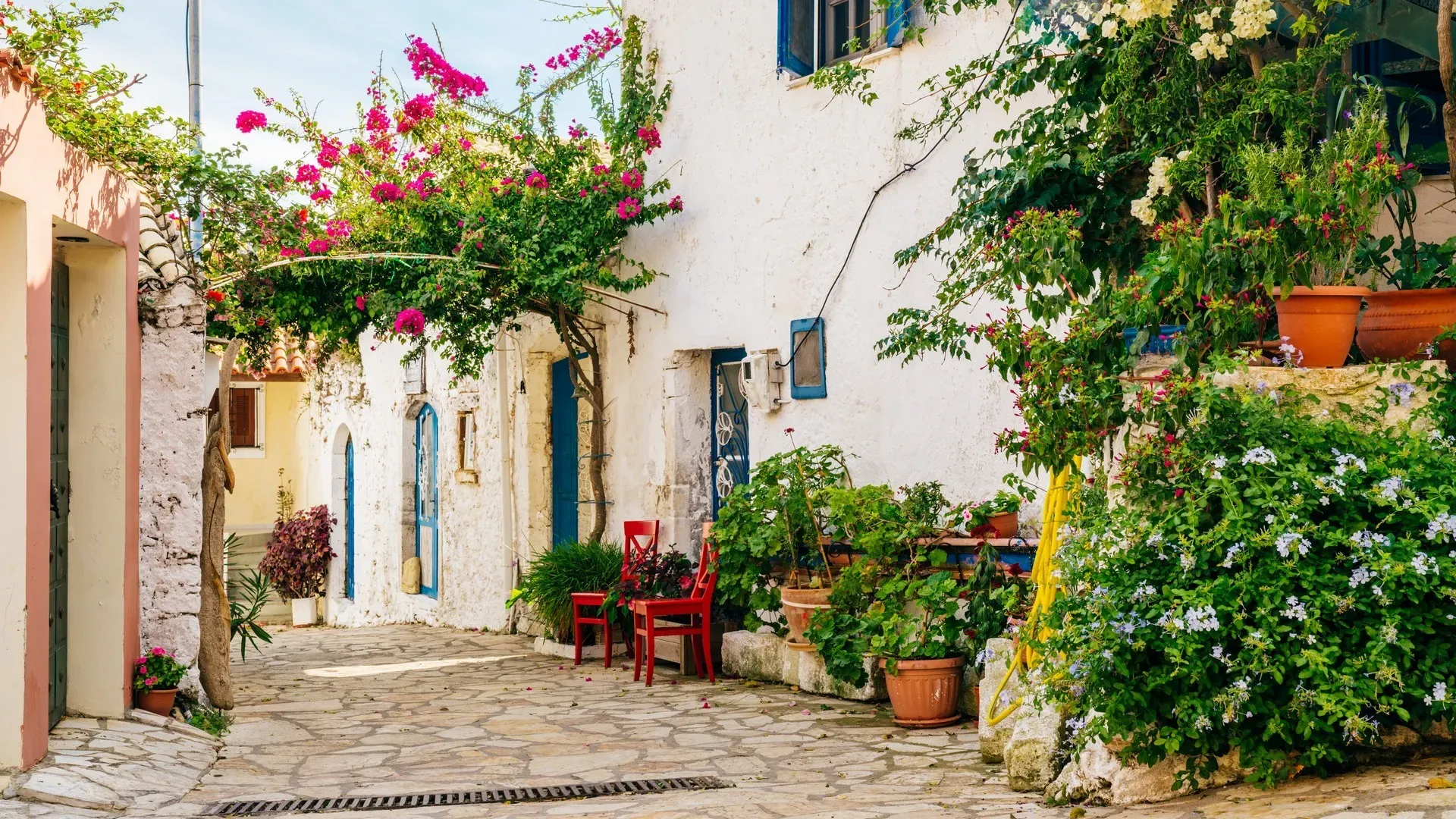
Continuing to Arillas you will encounter one of the calmest beaches on the northwest coast, with sand and also some pebbly spots. It is preferred by families and watersports lovers. In Agios Stefanos Avliotes you will enjoy your swim on an organized sandy beach, while if you are in the mood for one more excursion you can visit the Diapontia Islands (Othoni, Erikoussa and Mathraki) with caiques that set off from its small harbor. For the most magical sunset in the area, a visit to Loggas, in the traditional village of Peroulades, is worth it, a beach different from the others, protected by tall and steep limestone cliffs.
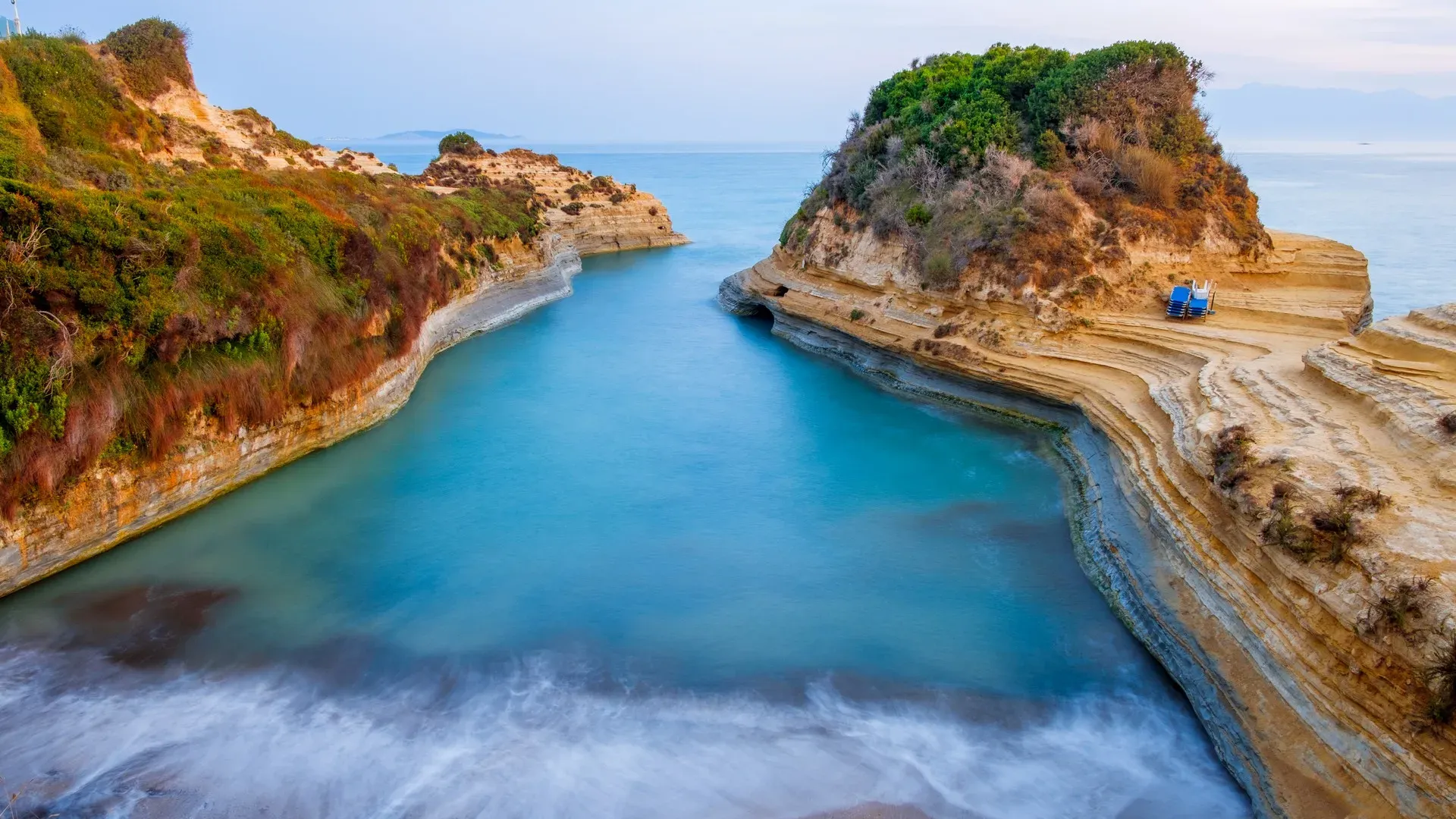
In Sidari you will find the famous Canal d`Amour, a tunnel, a passage through the rock, about which it is said that if you enter, at the other end your ideal match will be waiting. Among the most popular destinations in the northern part of Corfu are Roda and Acharavi with long continuous beaches of fine sand, shallow sea and plenty of tavernas and beach bars.
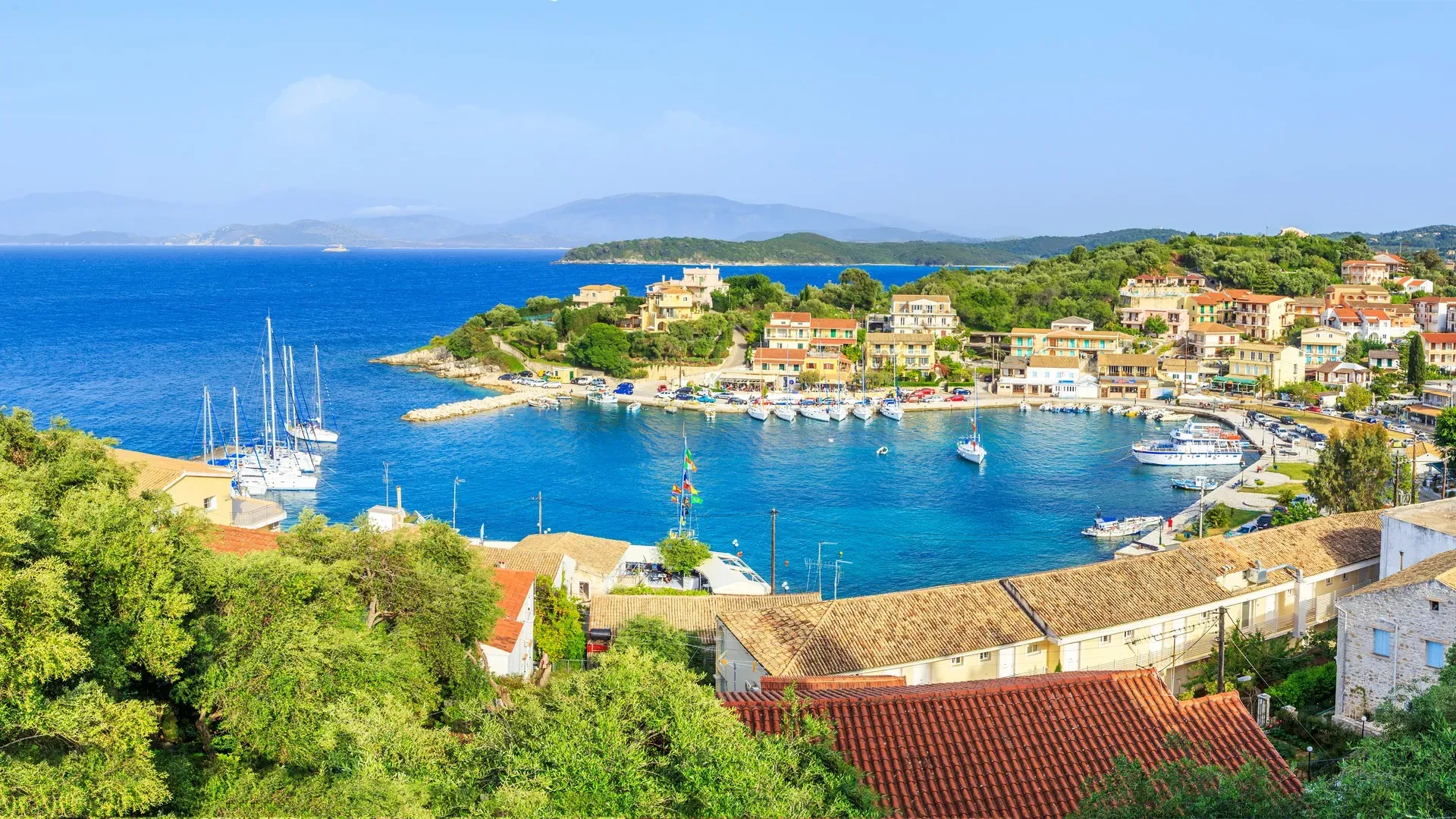
Next stop is Kassiopi, the largest village in northeastern Corfu. Formerly a traditional fishing village, now with intense tourist activity yet with a rich history and significant archaeological monuments. On a hill above the settlement’s harbor the ruins of one of the strongest castles in the Corfiot countryside are also preserved. It is also worth visiting Kouloura, a small harbor with fishing boats and yachts, hidden among tall cypress and pine trees, which gives a sense of exclusivity.
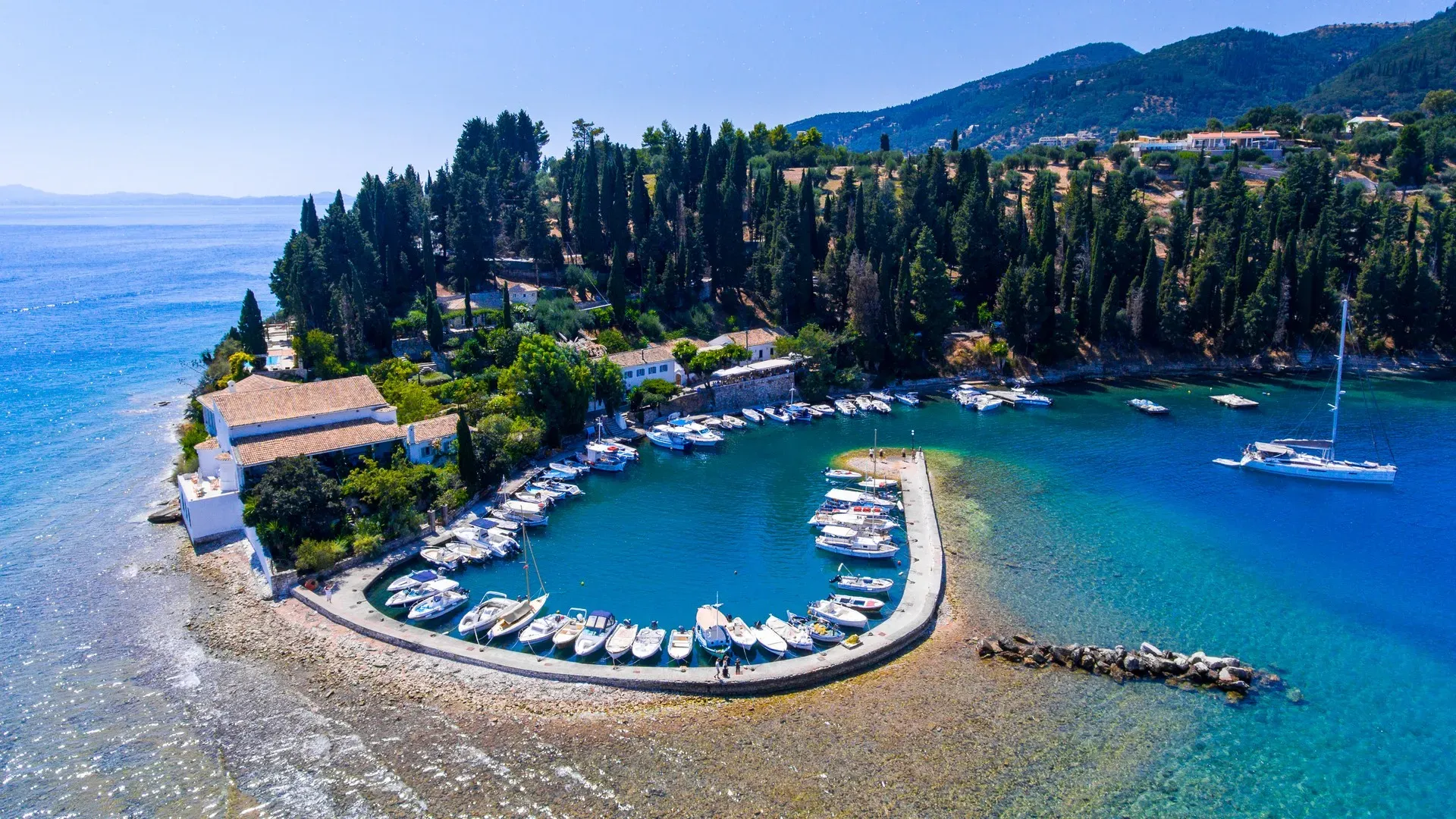
On the island’s northeastern coast lie some of Corfu’s most beautiful and popular beaches. Kerasia with its white pebbles, Kalami (where the villa of the famous English author Lawrence Durrell is located), the organized Nissaki with coarse pebbles and deep waters and the locals’ favorite, Barbati with sunbeds, umbrellas and several restaurants and beach bars.
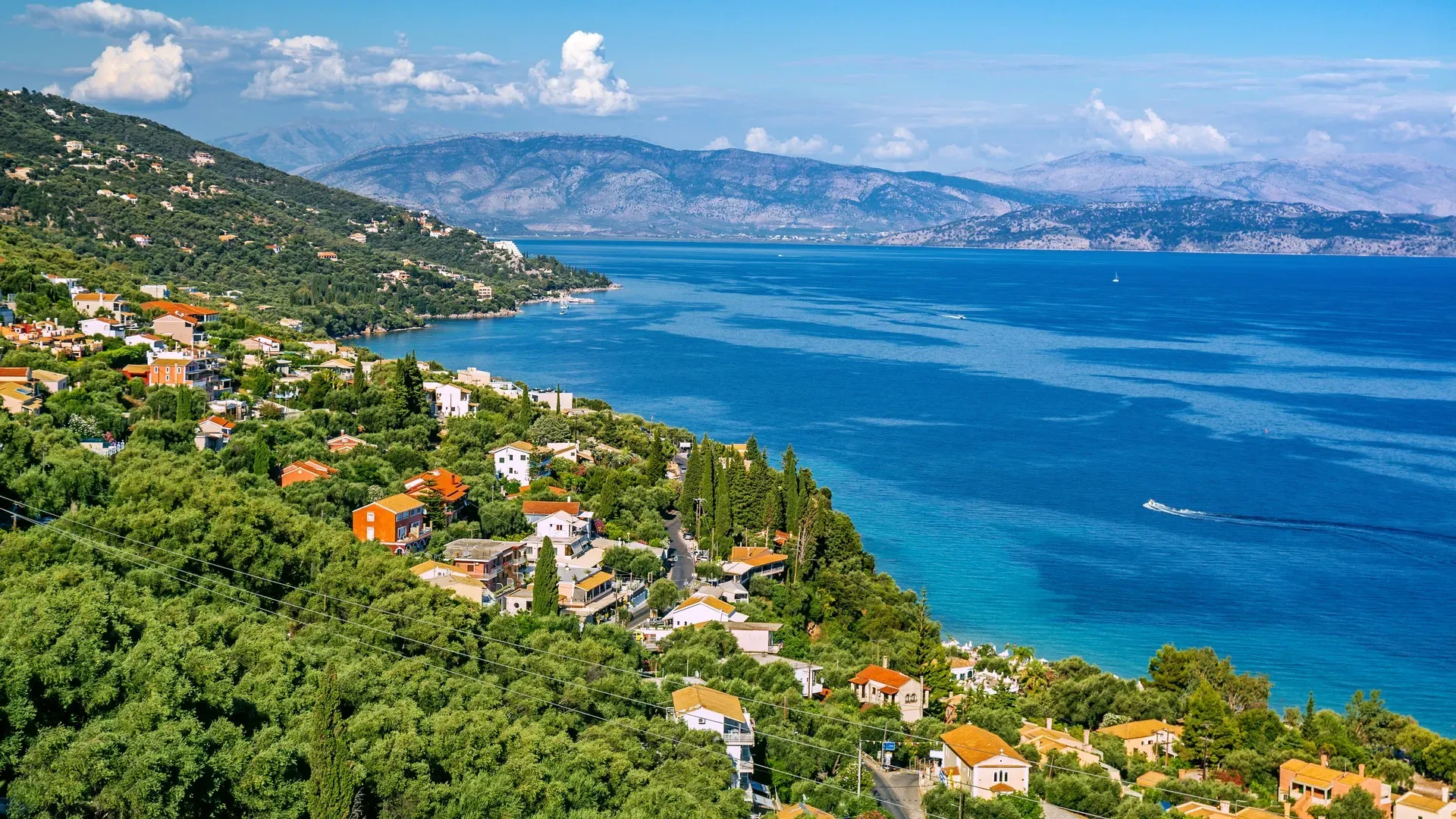
For a break from the sea, visit the village of Nymfes where you will see waterfalls and the monastic complex of Askitario (one of Corfu’s oldest Christian monuments). Sokraki is another picturesque mountain village with lush vegetation and traditional houses that is worth seeing.
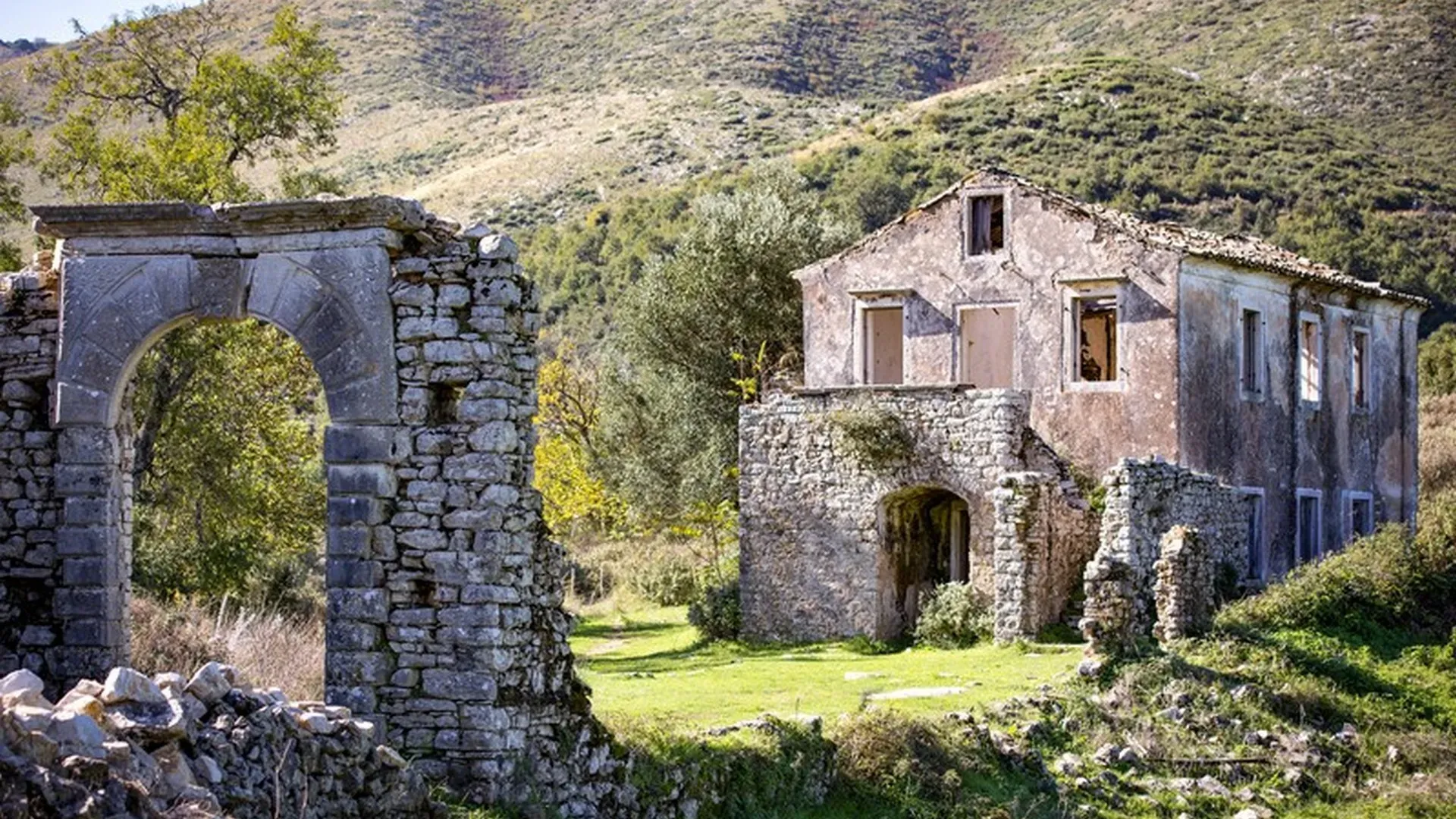
A walk in Old Perithia is a must when visiting northern Corfu. It is a Venetian ghost village dating from the 13th century, built on the slopes of Mount Pantokrator at an elevation of 400 m. The ruined mansions framed by nature and narrow cobbled lanes create a distinctive atmosphere. After your stroll through the village, try pastitsada and other traditional dishes at the little tavernas.